Unraveling the Complexities of Political Marketing and Public Relations
The Evolution of Campaign Communication Tactics
The evolution of campaign communication tactics in politics has been nothing short of revolutionary. Over the years, political campaigns have shifted from relying solely on traditional media – such as television and print – to embracing digital platforms that offer instantaneous, far-reaching impact. This shift has broadened the avenues through which politicians engage with voters and has demanded new strategies that account for the rapid pace and diversity of communication channels available today. As a result, crafting compelling, strategic political messages has become essential, fundamentally changing how political narratives are constructed and delivered.
Defining Political Marketing Strategies in Modern Campaigns
Modern political marketing strategies encompass a wide range of tactics aimed at influencing voter perception and enhancing a candidate’s visibility. These strategies blend digital tools with traditional methods to create a comprehensive approach to reaching potential voters. Key aspects include political branding techniques, voter engagement, and data-driven decision-making. Political marketing strategies focus on crafting messages that resonate with target audiences, leveraging analytics to refine outreach efforts, and aligning campaign objectives with voter interests. By integrating these elements, campaigns can effectively build and maintain a robust political brand that stands out in a crowded electoral landscape.
Public Relations in Politics: More Than Just Media Relations
Public relations in politics extends beyond media engagement to encompass a broader strategy of building and maintaining a politician’s public image. PR not only helps manage relationships with the media but also plays a pivotal role in crisis communication, shaping public perception, and maintaining consistent messaging. It involves crafting strategic narratives that align with the political objectives of the campaign, ensuring that the candidate’s message reaches the intended audience in a positive light. PR efforts are equally crucial for repairing a candidate’s image following controversies and for building trust among the electorate, ultimately contributing to the overall success of the campaign.
Strategic Distinctions: Political Marketing Versus PR
Political Branding Techniques and PR’s Role
Political branding techniques are essential tools for distinguishing a candidate from their opponents. These techniques focus on creating a unique brand identity for the politician, communicated consistently across various platforms. PR complements these efforts by managing the narrative and ensuring the brand remains consistent and robust amid campaign challenges. Together, branding and PR work in tandem to solidify the candidate’s image, turning their campaign into a relatable and trustworthy brand for voters. This strategic alignment amplifies the effectiveness of both political marketing and PR efforts.
Media Relations for Politicians: A Dual Approach
Maintaining strategic media relations for politicians is paramount in any competitive campaign environment. This dual approach involves both proactive and reactive strategies. Proactively, campaigns manage their media outreach by crafting targeted press releases, scheduling interviews, and organizing press conferences to ensure their messaging reaches the public. Reactively, campaigns must be agile and prepared to respond to media inquiries and emerging crises, safeguarding the candidate’s image. By combining these proactive and responsive tactics, political campaigns can effectively navigate the intricate media environment and sustain a positive public image.
Integrating Campaign Strategies for Maximum Impact
The integration of marketing and PR strategies forms the backbone of a successful political campaign. By merging these efforts, campaigns can leverage the strengths of both disciplines to achieve greater reach and impact. Marketing strategies focus on audience segmentation and targeted outreach, while PR campaigns center on maintaining a positive perception and consistent communication with stakeholders. This synergy enhances the campaign’s ability to reach a wider audience, engage diverse voter groups, and adapt to challenges swiftly. Ultimately, integrated campaign strategies ensure a cohesive approach that drives electoral success.
Crafting the Political Narrative: Messaging and Storytelling
Strategic Political Messaging in the Digital Age
Crafting strategic political messaging is fundamentally important in an era where information spreads rapidly across platforms. Campaigns must ensure their messages are not only consistent but also tailored to resonate with diverse audience segments. This involves precisely crafting key messages aligned with voter interests and using platforms such as social media to amplify them effectively. By combining strong messaging with digital tools, campaigns can maintain consistency while quickly adapting to shifting political contexts, reaching and engaging the electorate with greater precision.
Political Image Management and Voter Perception
Voter perception management and political image management are critical components of a campaign’s success. Developing and maintaining a positive political image requires a deep understanding of voter expectations and perceptions. Campaigns utilize tools such as social media analytics and voter feedback to monitor and manage their image. By actively engaging with constituents and addressing their concerns, campaigns strengthen their public image and build a lasting connection with the electorate. This engagement not only bolsters voter confidence but also reinforces the candidate’s credibility and trustworthiness.
Campaign Storytelling Methods: A Blend of Marketing and PR
Effective campaign storytelling blends marketing strategies with PR efforts to communicate a compelling narrative that captivates and persuades voters. This involves creating stories that convey the candidate’s vision, values, and policies in a way that resonates emotionally with voters. By weaving facts together with emotional appeals, campaigns can craft narratives that not only inform but also inspire action. This blend of political narrative crafting techniques ensures that storytelling efforts are comprehensive, relatable, and aligned with the overall campaign strategy.
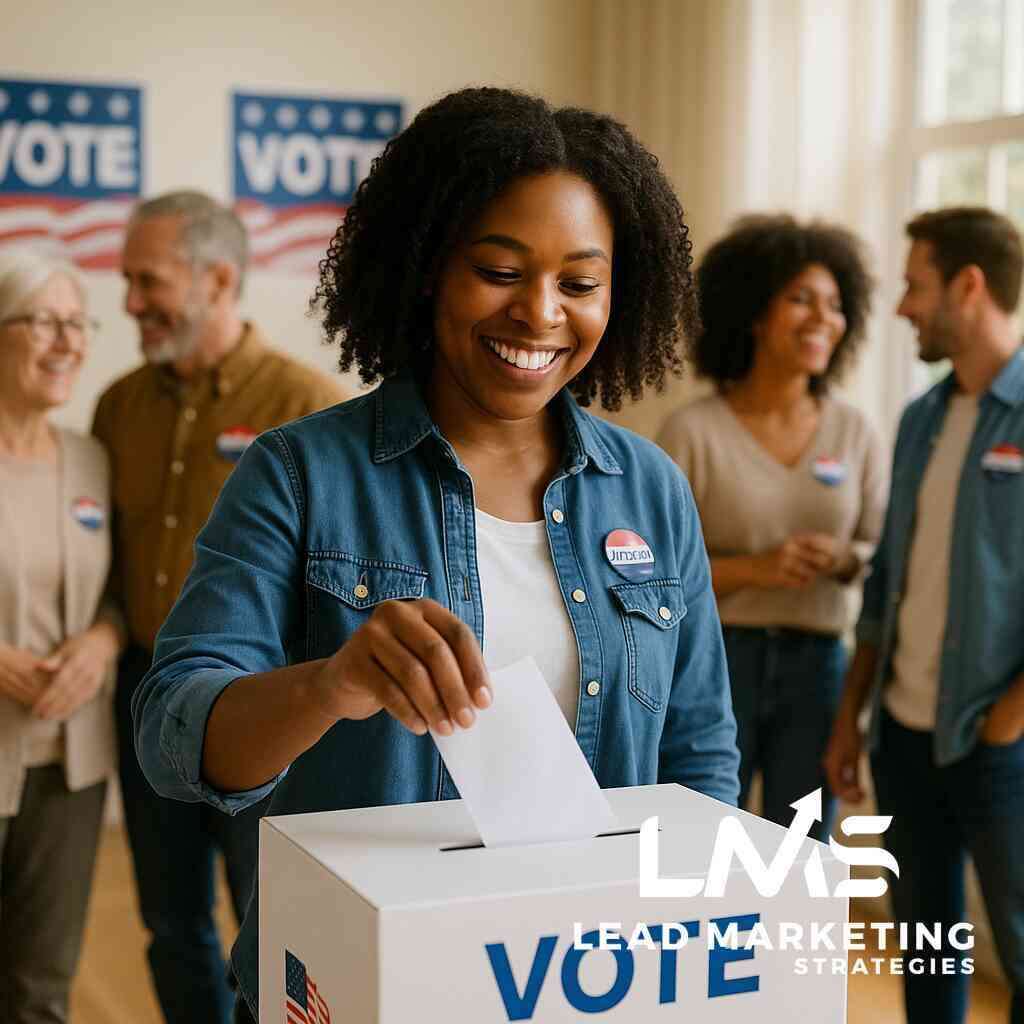
The Synergy of Digital Political Marketing and PR
Election Campaign PR Tactics in a Digital World
Election campaigns must harness the power of digital platforms to strengthen their PR tactics. This involves utilizing tools such as social media, email campaigns, and online press releases to distribute key messages swiftly and effectively. Digital platforms provide opportunities to engage with voters in real time, offering personalized communication experiences that are more impactful than traditional methods. By leveraging these tools, campaigns can maintain a continuous dialogue with voters, address concerns promptly, and enhance their overall digital political marketing efforts – keeping PR tactics aligned with a fast-moving digital landscape.
Political Communication Tools: Bridging Marketing and PR
Political campaigns must deploy an array of political communication tools that bridge marketing and PR to ensure cohesive messaging. These tools include digital analytics, sentiment analysis, and multimedia content creation, all of which enhance both marketing reach and PR impact. Integrating these tools facilitates consistent messaging across all platforms, ensuring the candidate’s narrative aligns with campaign objectives. By strategically employing them, campaigns can effectively manage public perception, address issues proactively, and maintain a positive political image – fostering a holistic approach to political communication that drives electoral success.
Political Influence Tactics: Leveraging Social Media and Beyond
Modern political campaigns leverage political influence tactics across social media and other channels to reach and engage voters effectively. Social media platforms serve as powerful tools for disseminating information, rallying support, and mobilizing grassroots action. Through targeted advertising and influencer collaborations, campaigns can amplify their message and reach specific voter demographics with precision. Social media also provides opportunities for real-time interaction, allowing campaigns to gauge voter sentiment and adjust strategies accordingly. Deploying these tactics helps political campaigns create meaningful connections with constituents, fostering engagement and influencing election outcomes.
Navigating the Future: Integrated Approaches to Political Campaigns
Voter Engagement Through PR and Marketing Synergy
Achieving strong voter engagement requires the combined force of PR and marketing working in unison. This approach involves unifying communication efforts to optimize outreach across the electorate. By utilizing integrated strategies, campaigns can ensure message consistency and amplify their reach across different voter groups. This synergy facilitates the crafting of personalized messages that resonate with constituents, strengthening voter engagement and ensuring a robust political presence. Ultimately, combining voter engagement tactics through PR and marketing enables campaigns to create lasting connections with the electorate.
Political Brand Storytelling and Reputation Building
Building a strong political brand involves crafting compelling stories and maintaining a positive reputation. Through strategic storytelling, campaigns convey their candidate’s values, accomplishments, and vision in a way that resonates emotionally with voters. By aligning storytelling efforts with PR strategies, campaigns can effectively manage their narrative and address potential challenges before they escalate. This approach not only bolsters the candidate’s image but also fosters trust among voters, contributing to long-term brand loyalty. Through consistent political reputation building, campaigns can secure a lasting impact in the political arena.
Measuring PR Campaign Effectiveness in Political Arenas
Evaluating the effectiveness of PR campaigns requires the use of advanced analytics and performance metrics. Campaigns must track data such as voter engagement levels, media coverage reach, and sentiment analysis to assess the impact of their PR efforts. These insights allow campaigns to refine their strategies, close gaps, and enhance future communication efforts. By implementing a robust measurement framework, campaigns can ensure their PR initiatives are aligned with campaign objectives and meaningfully contribute to electoral success. Measuring PR campaign effectiveness empowers campaigns to continuously optimize their political marketing strategies and achieve meaningful election outcomes.
Frequently Asked Questions
Question: How can political marketing strategies enhance voter engagement compared to traditional PR methods?
Answer: Political marketing strategies employ a blend of digital tools and traditional outreach methods to enhance voter engagement more effectively than traditional PR approaches. By integrating data-driven decision-making, political branding techniques, and targeted digital advertising, campaigns can resonate with specific voter segments. Political Marketing Strategies offers comprehensive political content marketing and election social media marketing services to build robust voter engagement strategies. This modern approach ensures messaging consistency and reaches a broader audience, thereby improving electoral success.
Question: What role does media relations play in political campaign communication tactics for 2026?
Answer: In the political landscape of 2026, media relations are crucial for managing both proactive and reactive communication strategies. Political campaigns must maintain strong relationships with media channels to effectively disseminate strategic political messaging and handle crisis communication swiftly. Political Marketing Strategies excels in electoral media outreach and political media strategy, providing the expertise necessary for crafting timely press releases and organizing media events that align with campaign objectives. This dual approach in media relations assures positive media exposure and sustains a candidate’s image throughout the campaign.
Question: How do integrated campaign strategies foster synergy between political marketing and PR efforts?
Answer: Integrated campaign strategies combine the strengths of political marketing and public relations to enhance campaign effectiveness. By aligning voter engagement initiatives with consistent messaging across platforms, campaigns can achieve maximum impact in reaching diverse voter demographics. Political Marketing Strategies is at the forefront of this synergy, offering services like political PR and digital political marketing to create comprehensive marketing solutions. The integration facilitates seamless communication, ensuring that campaign objectives are met while fostering positive voter perception and trust.
Question: What is the significance of strategic political messaging in the context of What Is Political Marketing Strategies Versus PR in 2026?
Answer: Strategic political messaging plays a pivotal role in differentiating political marketing strategies from traditional PR methods, especially in a fast-paced digital era. It involves crafting precise messages that resonate with voter interests while maintaining message consistency across digital platforms. Political Marketing Strategies excels in political message crafting and campaign storytelling methods, leveraging digital tools to adapt to changing political climates swiftly. This strategic messaging not only informs but also engages voters, building a reliable political brand that strengthens campaign outreach.
Question: How can campaigns measure the effectiveness of PR campaigns in political arenas?
Answer: Measuring the effectiveness of PR campaigns is essential for assessing their impact and refining future strategies. Political Marketing Strategies employs advanced analytics and performance metrics to evaluate campaign achievements, including voter engagement levels and sentiment analysis. By utilizing these insights, campaigns can enhance their political marketing strategies and ensure that PR efforts align with campaign goals. This comprehensive approach allows for continuous improvement and adaptation, ultimately contributing to successful election outcomes.

The Political Marketing Strategies Team
Our team of marketing experts specializes in helping political campaigns grow their businesses through strategic digital marketing, SEO, and customer acquisition.
View all articles