
The New Rules of Winning Votes: Why Social Ad Growth Defines Modern Campaigns
You’re a candidate running for office, and your team just spent thousands on printed mailers. But when you check your phone, you see your opponent’s video ad three times before lunch. That gap in strategy costs votes. The campaigns that win today understand one simple truth: voter attention lives inside social feeds. Paid social advertising has become the most direct line to voters who are scrolling, swiping, and making snap decisions about who deserves their support. If your campaign isn’t investing in social ad growth strategies for political campaigns, you’re essentially campaigning in a ghost town.
From Yard Signs to News Feeds: How Voter Attention Has Shifted
Think about how voters consumed political information just ten years ago. They watched local news at six, read the newspaper over coffee, and maybe saw a yard sign on their commute. Those days are over. According to recent Pew Research data, a majority of American adults now get their news from social media platforms. Your carefully crafted message in a mailer might land in the recycling bin before anyone reads it. Meanwhile, a well-targeted Facebook ad reaches a voter while they’re already engaged and scrolling. This shift demands that campaigns rethink every assumption about voter outreach.
The old model relied on broad, untargeted messaging that hoped to reach the right people. Modern political marketing tactics on social media let you speak directly to specific neighborhoods, age groups, and even individual voters based on their interests and behaviors. A yard sign tells voters you exist. A social ad tells them why they should care. The difference in voter recall between these two approaches is staggering. Campaigns that still prioritize traditional print over digital targeting are leaving votes on the table every single day.
This isn’t about abandoning field operations or direct mail entirely. Smart campaigns integrate both. But the data shows that voters under forty-five rarely engage with political mail. They live in their phones. They form opinions based on what appears in their feed between friends’ vacation photos and recipe videos. If your message isn’t there, it might as well not exist. The campaigns that recognize this reality first gain an enormous advantage in name recognition and voter trust before election day even arrives.
The Real Cost of Ignoring Paid Social in a Crowded Election Cycle
Every election cycle gets more crowded. More candidates, more messages, more noise. Your voters are bombarded with political content from every direction. Without paid social, your organic posts compete against entertainment, news, and ads from better-funded opponents. The algorithms that control what voters see prioritize paid content over unpaid posts from political pages. If you’re relying solely on organic reach, you’re hoping voters find you in a massive digital haystack.
The cost of ignoring paid social isn’t just about lost visibility. It’s about missed opportunities to build relationships with voters before they form opinions about your opponent. Voters make up their minds earlier than most campaigns realize. By the time you start running ads, many voters have already decided who they support. Early investment in election social media advertising optimization creates a foundation of awareness that pays dividends throughout the entire campaign. You can’t win voters who never knew you were running.
Consider what happens when a campaign skips paid social entirely. Their opponent runs targeted ads to specific voter segments, tests different messages, and tracks which audiences respond best. That campaign learns exactly what resonates with undecided voters. Meanwhile, the campaign without paid social operates blind, guessing which messages work and hoping for the best. The gap in voter engagement through paid social ads creates an intelligence advantage that compounds over time. Every dollar spent on social ads teaches you something about your voters.
Why Your Campaign Needs a Social Ad Strategy Before You Announce
Most campaigns make a critical mistake. They wait until they have a fully formed platform, a website, and a fundraising base before thinking about social ads. By then, it’s often too late. The most effective political campaigns start building their social ad infrastructure months before the official announcement. This early work includes setting up ad accounts, installing tracking pixels, and testing creative concepts with small budgets. When you finally announce, you already know which messages work.
Early social ad strategy also helps with candidate name recognition. Voters need to see a name multiple times before it sticks. Starting your ads early means voters become familiar with your face and message long before they start paying close attention to the race. This familiarity translates directly into trust. Voters are more likely to support a candidate they recognize than one they’re meeting for the first time in October. Building that recognition takes time, and social ads are the most efficient tool for the job.
Your social ad strategy should also inform your broader campaign plan. The data you collect from early ad tests helps you understand which issues matter most to your district. You might discover that voters in your area care deeply about local infrastructure, even though you planned to focus on national issues. That insight allows you to adjust your messaging before you’ve invested heavily in a platform that doesn’t resonate. Starting your microtargeting voters with social ads using voter file data early gives you a roadmap for the entire campaign.
Building a Social Ad Engine That Runs on Voter Data and Creative Precision
Social ads aren’t magic. They’re a system that combines accurate voter data, compelling creative, and constant optimization. The campaigns that succeed don’t just throw money at Facebook and hope for the best. They build a repeatable process that generates results. This process starts with understanding exactly who you need to reach and ends with creative that makes those voters stop scrolling and take action. Every step in between requires discipline and attention to detail.
Microtargeting Voters with Social Ads Using Voter File Data and Lookalike Audiences
Generic targeting wastes money. When you run ads to everyone in your district, you’re paying to reach people who will never vote for you, can’t vote in your race, or have already decided to support your opponent. The smartest campaigns use voter file data to build precise audiences. They combine public voting records with demographic information to create segments of persuadable voters, likely supporters, and high-propensity voters who need reminders to turn out.
Voter file data gives you the power to target based on actual voting behavior, not just demographics. You can reach voters who supported your party in the last primary but stayed home in the general election. You can target independents who vote consistently but haven’t picked a candidate yet. You can even exclude people who voted in your opponent’s primary, saving your budget for voters who might actually support you. This level of precision is impossible with traditional media.
Once you’ve built these core audiences, lookalike modeling takes your targeting to the next level. Platforms like Facebook can analyze your best supporters and find new voters who share their characteristics. This technique helps you discover voters you never knew existed. A voter three blocks away who shares interests with your base supporters might never have heard of you. A lookalike audience puts you right in their feed. Pairing voter file data with lookalike audiences creates a targeting engine that grows stronger with every election cycle.
Crafting Campaign Ad Creative That Stops the Scroll and Drives Action
You have about two seconds to capture a voter’s attention. Maybe less if they’re scrolling quickly. Your ad creative needs to stop them cold and make them want to learn more. The most effective political ads don’t look like political ads. They look like content a voter would naturally engage with. A candidate speaking directly to camera, sharing a personal story, or addressing a local issue in plain language outperforms slick, produced ads every time.
Video content dominates social platforms for a reason. It holds attention longer than static images and allows voters to assess a candidate’s authenticity. Your campaign ad creative for social platforms should prioritize short, punchy videos that communicate one clear message. Don’t try to explain your entire platform in one ad. Pick one issue that matters to your target audience and make that case compellingly. Voters remember simple messages repeated consistently across multiple ad formats.
Raw, authentic content often performs better than polished productions. A candidate filmed on a smartphone at a community event feels real. A professionally produced ad with dramatic music feels like every other political commercial. Voters have developed antibodies to traditional political advertising. They tune it out instinctively. Creative that breaks those expectations gets results. Our team creates custom political brand storytelling on social media that feels genuine while driving measurable engagement and action.
Social Ad A/B Testing for Political Messaging That Actually Converts
You don’t know what works until you test it. The most successful campaigns run constant experiments with their ad creative, targeting, and messaging. They test different headlines, images, video thumbnails, calls to action, and audience segments. They don’t assume they know what voters want. They let the data tell them. Social ad A/B testing for political messaging should be a continuous process, not a one-time exercise before launch.
Start with small budget tests that compare two versions of an ad. Change only one variable at a time so you know exactly what drove the difference in performance. Test emotional appeals against policy-focused messages. Test candidate-forward creative against issue-forward creative. Test long-form video against short-form. The insights you gain from these tests apply not just to your social ads but to your broader campaign messaging. You learn which issues, tones, and formats resonate most with your voters.
Let the results surprise you. Sometimes an ad you expect to flop becomes your best performer. A humorous approach might outperform a serious one. A specific local issue might drive more engagement than a broad national theme. The only way to discover these insights is to test systematically and honestly. Campaigns that skip testing are gambling with their budget. Campaigns that test and iterate turn their ad spend into a research investment that pays off across every channel.
Social Ad Pixel Implementation for Voter Data Tracking and Retargeting
The social ad pixel is your campaign’s secret weapon. This small piece of code on your website tracks every visitor who arrives from a social ad. It tells you who clicked, what they did on your site, and whether they took a desired action like signing up for your email list or donating. Without pixel data, you’re flying blind. With it, you build a powerful retargeting engine that brings voters back to your message again and again.
Retargeting is essential because most voters won’t act on the first ad they see. They need multiple touches before they trust you enough to engage. A pixel lets you show follow-up ads to people who visited your volunteer signup page but didn’t complete the form. You can show a different message to people who watched your video but didn’t click through. Each touchpoint builds familiarity and moves voters closer to action. Social ad retargeting for voter outreach is one of the highest-ROI tactics available to modern campaigns.
Proper pixel implementation also feeds data back into your targeting. When you know which ad audiences actually convert, you can optimize your campaigns toward similar users. The pixel learns from every conversion and helps your ads find more people likely to take action. This creates a virtuous cycle where your ads get smarter and more efficient over time. Every campaign that skips pixel tracking is leaving money on the table and missing opportunities to connect with voters who are already interested.
Navigating Compliance, Budget, and Algorithm Changes Without Losing Momentum
Running social ads for political campaigns comes with unique challenges. You’re operating under strict regulations, limited budgets, and algorithms that change without warning. The campaigns that succeed build systems that handle these challenges automatically. They don’t panic when a platform updates its policies. They don’t waste budget on non-compliant creative. They maintain momentum through every obstacle because they planned for it.
Political Ad Compliance on Social Networks: FEC Rules and Platform Policies
Political advertising faces more scrutiny than any other category. The Federal Election Commission requires clear disclosure of who paid for each ad. Platforms have their own policies that go beyond federal requirements. A single compliance mistake can get your entire ad account suspended. Worse, it can trigger fines or legal headaches that derail your campaign at a critical moment. Understanding political ad compliance with FEC rules on social networks is not optional. It’s a requirement for survival.
Every ad you run must include a disclaimer that identifies your campaign committee. The disclaimer must be clear and conspicuous, not hidden in fine print. Different platforms have different requirements for how disclaimers appear. Facebook requires them in the ad creative itself. Some platforms accept them in the ad settings. You must know the rules for every platform you use. A compliance error on one platform can trigger audits across all your accounts.
Beyond disclaimers, you need to understand what claims you can make in your ads. Making false statements about your opponent violates platform policies and could lead to legal action. You need a process for fact-checking every claim before it goes live. Our team stays current with all platform policy changes so your ads remain compliant while still being effective. We handle the compliance burden so you can focus on your message and your voters.
Social Ad Budget Allocation for Campaigns: Stretching Every Dollar for Maximum Reach
Your campaign budget is finite. Every dollar spent on ads is a dollar you can’t spend on field operations, events, or direct mail. Smart budget allocation ensures you get the highest possible return from every dollar. This starts with understanding your campaign’s goals and matching your spending to those goals. A campaign focused on name recognition needs different budget allocation than one focused on GOTV efforts in the final weeks.
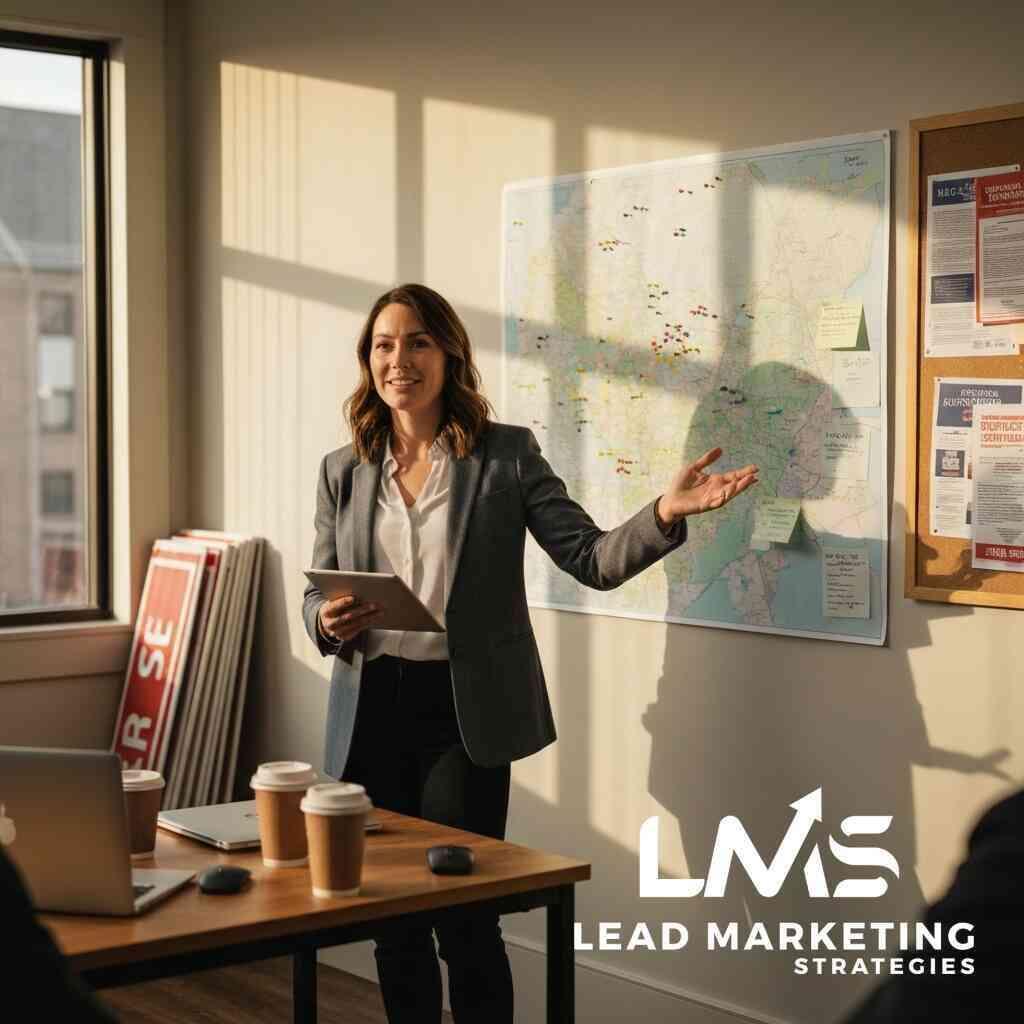
Most campaigns should allocate at least sixty percent of their digital budget to social ads. The remaining forty percent goes to search ads, email marketing, and website optimization. Within your social ad budget, you need to allocate across platforms based on where your voters actually spend time. A state legislative race might find more value on Facebook than on TikTok. A congressional race with younger voters might reverse that priority. The right allocation depends on your specific district and voters.
Social ad budget allocation for campaigns should also account for testing. Budget at least ten percent of your total spend for testing new audiences and creative concepts. This testing budget isn’t wasted. It generates data that makes your main campaigns more efficient. Without testing, you’re guessing. With testing, you’re investing in certainty. The campaigns that stretch their budgets farthest are the ones that test aggressively and optimize ruthlessly based on real performance data.
Real-Time Social Ad Performance Analytics to Adjust on the Fly
Social ad performance changes constantly. What worked yesterday might stop working today. Algorithms shift, audience behavior changes, and competitor activity increases. Campaigns that check their ad performance once a week miss opportunities and waste budget. Real-time social ad performance analytics for elections let you make adjustments the moment data tells you something isn’t working. This agility gives you a massive advantage over slower-moving campaigns.
Set up dashboards that track your key performance indicators in real time. Cost per click, cost per conversion, click-through rate, and frequency are essential metrics. Watch for signals that an audience is saturated or an ad is losing effectiveness. When frequency rises above three or four per person per week, you’re at risk of voter fatigue. When cost per conversion spikes, your targeting or creative needs adjustment. Reacting quickly saves budget and maintains campaign effectiveness.
Don’t just track metrics. Understand what they mean for your campaign. A high click-through rate with low conversions might mean your landing page isn’t working. A low click-through rate might mean your creative isn’t compelling or your targeting is off. Each metric tells a story. Real-time analytics let you read that story as it unfolds and make corrections before small problems become budget-draining disasters. Data-driven campaigns win because they learn faster than their opponents.
Social Ad Frequency Capping for Voters to Avoid Fatigue and Backlash
Showing voters your ad too often backfires. Voters who see the same message repeatedly start to resent the candidate behind it. They tune out, report the ad as annoying, or develop negative associations with your campaign. Social ad frequency capping for voters prevents this backlash by limiting how many times any single person sees your ads. Smart campaigns set caps at three to four impressions per person per week for most campaigns.
Frequency capping requires careful audience management. If you’re targeting a small, specific audience, your frequency will naturally rise faster. You might need to refresh your creative more often or expand your targeting to avoid overexposure. For broad audiences in large districts, frequency is less of a concern. You still need caps to prevent waste. Showing the same ad to the same person twenty times doesn’t increase your chances of winning their vote. It just annoys them.
Different campaign phases require different frequency strategies. During the awareness phase early in the campaign, higher frequency helps build name recognition. In the persuasion phase, lower frequency with varied creative keeps voters engaged without fatigue. During GOTV, focused frequency on high-propensity voters reminds them to turn out. Our campaign management services include sophisticated frequency management that keeps your message fresh and your voters receptive throughout the entire election cycle.
Scaling Your Social Ad Growth From Local Races to National Campaigns
What works for a city council race can scale to a presidential campaign. The principles remain the same, but the execution changes. Local races benefit from hyperlocal targeting and deep community knowledge. National campaigns need broader audiences and more sophisticated testing. The ability to scale your social ad strategy without losing effectiveness separates professional campaigns from amateurs.
Organic and Paid Social Synergy for Politics: Building Trust While Buying Reach
Organic content builds trust. Paid content builds reach. The smartest campaigns use both together. Your organic posts establish your voice, share your story, and show voters who you are as a person. Paid ads then amplify your best organic content to voters who haven’t found you yet. This synergy creates a feedback loop where organic engagement informs paid targeting and paid reach drives new followers to your organic channels.
Don’t run paid ads that look completely different from your organic content. Voters who discover you through a paid ad and visit your page should see a consistent message and style. Inconsistency creates confusion and undermines trust. Your organic and paid strategies should be developed together, with shared creative assets and complementary messaging calendars. A voter who follows you organically should feel like they already know you when they see your paid ads.
The metrics for organic and paid content also inform each other. When an organic post performs well, you know the message resonates. Run paid ads based on that content. When a paid ad drives high engagement, share that content organically with your followers. This cross-pollination extends the life of your best content and maximizes the return on every piece of creative your campaign produces. Organic and paid social synergy for politics isn’t just efficient. It’s essential for building both trust and reach.
Social Ad Landing Page Optimization for Campaigns That Convert Clicks to Votes
A great ad drives clicks. A terrible landing page wastes them. Too many campaigns spend heavily on social ads but send traffic to pages that don’t convert. Slow loading times, confusing navigation, and unclear calls to action kill conversions. Social ad landing page optimization for campaigns ensures that every click has the best possible chance of turning into a volunteer signup, donation, or voter commitment.
Your landing page must match your ad exactly. If your ad promises information about education policy, the landing page should feature education policy prominently. Don’t send voters to a generic homepage and make them search for what they want. Every element of your landing page should support a single, clear goal. Remove navigation links that distract from that goal. Keep forms short. Use compelling headlines that reinforce the message from your ad.
Mobile optimization is non-negotiable. Most social traffic comes from mobile devices. A landing page that looks great on desktop but loads slowly or displays poorly on mobile will lose most of your traffic. Test your landing pages on multiple devices and connection speeds. Every second of delay reduces conversions. Our campaign website development services include landing page design specifically optimized for social ad traffic, ensuring your ad spend generates real results.
Social Ad Scheduling for Key Voting Periods Like Early Voting and Election Day
Timing matters immensely in political advertising. Running ads too early wastes reach on voters who aren’t paying attention yet. Running ads too late misses voters who have already made up their minds. Strategic scheduling aligns your ad spend with key moments in the election calendar. Early voting periods, absentee ballot deadlines, and election day itself require specific ad strategies and increased budgets.
Schedule awareness ads early in the campaign when voters are still forming opinions. Shift to persuasion ads as voters start paying closer attention to the race. Reserve your largest budget for the final weeks when undecided voters make their decisions. During early voting, run targeted ads reminding supporters to cast their ballots and providing information about voting locations and hours. Social ad scheduling for key voting periods in New York requires knowledge of state-specific deadlines and local voting procedures.
Election day requires a specific strategy. Run ads early in the day reminding supporters to vote. Include information about polling locations and hours. As the day progresses, shift to ads targeting voters who haven’t voted yet. If your campaign has access to voter turnout data, you can target non-voters with urgent reminders. Post-election, run thank you ads to supporters regardless of the outcome. This maintains relationships for future campaigns and shows your character.
Measuring Social Ad ROI for Campaign Growth: Beyond Likes to Real Voter Impact
Likes and shares feel good, but they don’t win elections. Measuring social ad ROI for campaign growth requires tracking metrics that connect directly to your campaign goals. Video views don’t matter if viewers don’t remember your name. Engagement doesn’t matter if it doesn’t lead to action. Focus on metrics that correlate with voter behavior: name recognition survey results, volunteer signups, donation conversions, and ultimately, votes.
Set up conversion tracking that captures meaningful actions. A conversion might be signing up for your email list, requesting a yard sign, attending a rally, or donating. Each conversion has a known value to your campaign. When you know your cost per conversion, you can calculate the true ROI of your social ad spend. A campaign that costs five dollars per volunteer signup knows exactly how much it costs to build its ground game.
Beyond direct conversions, measure the long-term impact of your ads. Voter surveys before and after ad campaigns reveal changes in name recognition and favorability. Focus groups can test whether ad exposure changes voter intentions. The most sophisticated campaigns track correlation between ad exposure and actual voting behavior using voter file data. Measuring social ad ROI for campaign growth means connecting your digital spend to real-world outcomes. When you can prove that your ads move voters, you can justify continued investment.
Conclusion: Turn Social Ad Growth Into a Repeatable Voter Engagement Machine
Social ad growth isn’t a one-time tactic. It’s a system that improves with every election cycle. The campaigns that master this system build a voter engagement machine that delivers results race after race. They collect data, test relentlessly, optimize constantly, and stay ahead of platform changes. They don’t start from scratch every election. They build on what they learned before.
Why the Campaigns That Master Social Ads Win in Every Election Cycle
The advantages compound. Campaigns that invest in social ads early build audiences they can retarget in future races. They develop creative processes that produce better content faster. They accumulate voter data that makes their targeting more precise. Each election cycle, their social ad operation becomes more efficient and more effective. The campaigns that ignore social ads fall further behind every year.
Winning campaigns also build relationships with voters that transcend individual elections. A voter who engages with your social ads in one race is more likely to support you in the next. They remember your name, your message, and your commitment to communication. Social ads build the foundation of a long-term political brand that survives primary challenges, redistricting, and changing political tides.
The campaigns that win consistently are the ones that treat social ads as a core competency, not an afterthought. They staff accordingly, budget accordingly, and plan accordingly. They don’t outsource strategy to junior staff or inexperienced vendors. They work with professionals who understand both politics and digital marketing. Our team at Political Marketing Strategies has been helping candidates win since 2007. We know what works because we’ve tested it across thousands of races in all fifty states.
Your Next Move: Auditing Your Current Social Ad Setup for Immediate Gains
You don’t need to overhaul your entire strategy overnight. Start with an honest audit of your current social ad setup. Check your pixel implementation. Review your audience targeting. Analyze your creative performance. Identify the biggest leaks in your system and fix them first. Most campaigns find immediate gains by optimizing their landing pages, refreshing tired creative, or tightening their targeting to exclude wasted impressions.
Audit your compliance setup as well. Make sure your disclaimers are correct and visible on every active ad. Review your ad accounts for any policy violations that could trigger suspensions. Check that your billing information is current and your accounts are in good standing. A compliance issue at the worst possible moment can derail your entire digital operation. Preventing problems is always cheaper than fixing them.
Once your audit is complete, build a plan for continuous improvement. Schedule regular creative refreshes. Set up testing calendars. Define your key metrics and monitor them daily. Build a system that doesn’t depend on any single person but works consistently regardless of who’s managing it. The campaigns that win are the ones that operate like well-run businesses, not chaotic volunteer operations. If you’re ready to build a social ad engine that delivers votes, contact our team located near the Northgate Shopping Center on Jericho Turnpike in Commack. We serve candidates across Long Island, New York, and all fifty states. Let’s build your winning campaign together.
Frequently Asked Questions
How much should a campaign budget for social ads?
A competitive local race should allocate at least fifteen to twenty-five percent of its total budget to digital advertising, with the majority going to social platforms. State legislative races often spend between five thousand and fifty thousand dollars on social ads depending on district size and competitiveness. Federal races can spend millions. The right amount depends on your race’s dynamics, your opponent’s spending, and your campaign’s specific goals. Start with a budget that allows meaningful testing, then scale based on results.
Which social media platforms work best for political campaigns?
Facebook remains the most important platform for political advertising because of its detailed targeting capabilities and large user base across all age groups. Instagram is essential for reaching younger voters and showcasing visual campaign content. Twitter is valuable for news engagement and reaching journalists and influencers. TikTok is growing rapidly for reaching voters under thirty but has stricter political ad policies. Most campaigns should focus on Facebook and Instagram first, then expand based on their target audience.
How do I comply with FEC rules for social media ads?
Every social media ad must include a disclaimer stating who paid for the ad and whether it was authorized by the candidate. The disclaimer must be clear and not hidden behind a link or in small text. Facebook and other platforms require you to complete an authorization process before running political ads. You must also keep records of your ad spending and content for FEC reporting. Working with a firm familiar with political advertising compliance helps prevent costly mistakes.
Can I target voters based on their party registration?
Yes, but the methods vary by platform. Facebook allows targeting based on political affiliation data from third-party providers. More precise targeting comes from uploading your voter file data, which includes party registration, voting history, and other public records. This lets you reach registered Democrats, Republicans, or independents with tailored messaging. You can also exclude voters who participated in your opponent’s primary from your targeting.
How long does it take to see results from political social ads?
You can see engagement metrics like clicks and video views within hours of launching a campaign. Meaningful results like name recognition changes and volunteer signups typically take one to two weeks of consistent ad spend. Conversion tracking that connects ad exposure to voter actions requires ongoing measurement. The fastest results come from retargeting campaigns aimed at people who have already visited your website or engaged with your content.
What’s the difference between organic reach and paid reach for campaigns?
Organic reach means your content appears in feeds without payment, based on the platform’s algorithm. Paid reach means you pay to show your content to specific audiences. Organic reach is valuable for engaging existing followers but rarely reaches new voters. Paid reach lets you target specific voter segments regardless of whether they follow your page. The most effective campaigns use organic content to build community and paid ads to expand their reach to new audiences.
Do I need a separate landing page for each social ad campaign?
Yes, separate landing pages for different ad campaigns significantly improve conversion rates. Each landing page should match the specific message and offer from the ad that drives traffic to it. A voter who clicks an ad about your education platform should land on a page about education, not your homepage. Creating multiple landing pages takes more work but delivers dramatically better results than sending all traffic to a single page.
The Political Marketing Strategies Team
Our team of marketing experts specializes in helping political campaigns grow their businesses through strategic digital marketing, SEO, and customer acquisition.
View all articles