
Introduction to Community Outreach Dynamics
Understanding the Essence of Voter Engagement
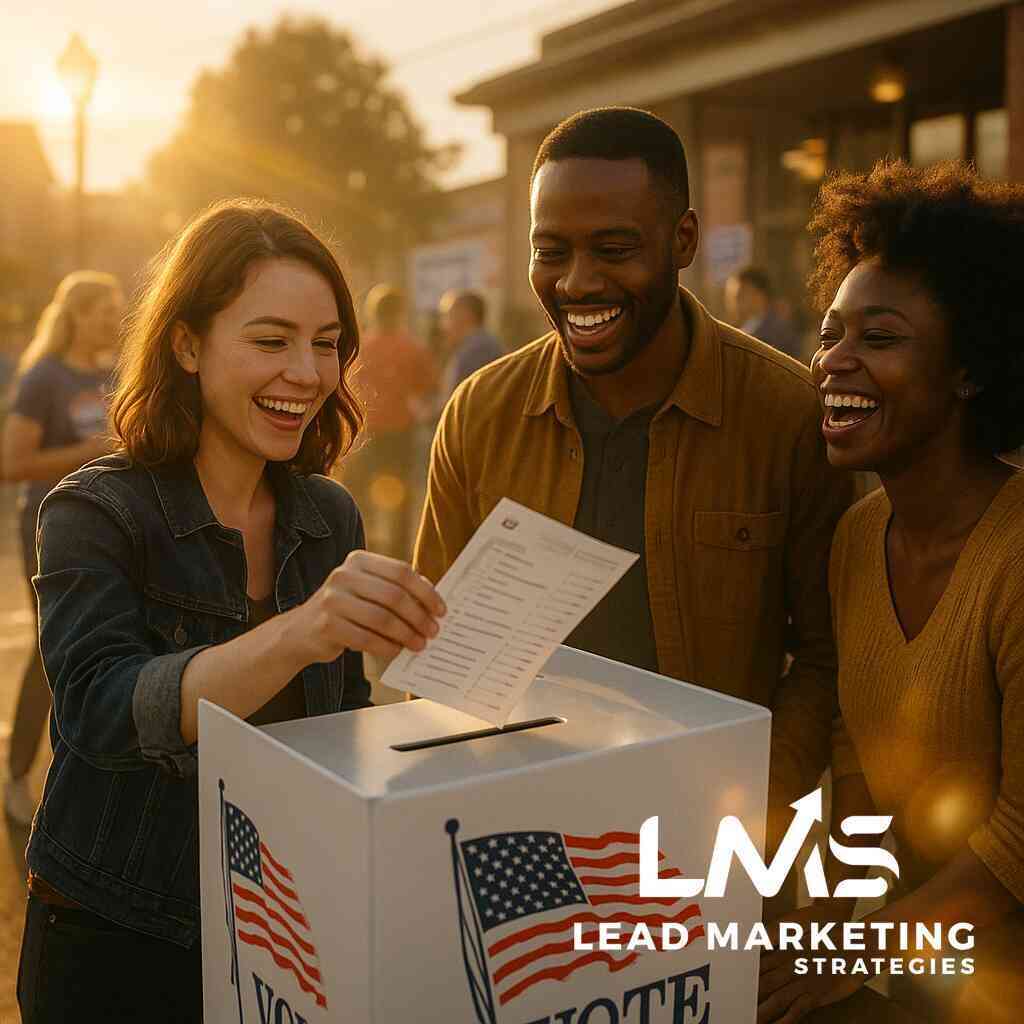
Engaging voters is critical for successful political campaigns. As communities continue to evolve, understanding voter engagement becomes fundamental. It involves more than simply informing voters – it requires building a genuine connection between candidates and constituents. That connection fosters a deeper understanding of voter priorities and concerns, creating relationships grounded in trust and mutual respect. When campaigns truly understand what drives voter engagement, political figures can tailor their approaches to reflect each community’s unique dynamics and cultural nuances.
The Role of Community Outreach in Political Campaigns
Community outreach plays a pivotal role in shaping political campaigns. It serves as a bridge between candidates and the communities they aim to represent. Through community-driven political action, candidates can better understand the issues voters care about most, creating a foundation for collaborative policy development. This level of involvement ensures that campaigns are seen not as external impositions but as inclusive movements that reflect local voices and ambitions. By leveraging effective community outreach, campaigns gain momentum and demonstrate a genuine commitment to representing their constituents.
Setting the Stage for Local Political Influence
Establishing local political influence requires strategic engagement at the community level. By pursuing local political advocacy and targeted outreach, candidates can develop strategies that directly address the needs and concerns of their voters. These efforts help build an authentic community presence, enhance credibility, and cultivate lasting relationships with key stakeholders and influencers. Candidates who invest in local influence position themselves as genuine members of the community, fostering cooperative environments for positive change.
1) Grassroots Campaign Initiatives
Harnessing Local Voter Interaction
Grassroots initiatives are essential for driving direct voter interaction. By tapping into grassroots political methods, campaigns can build networks that thrive on community involvement and encourage active participation from constituents. This participatory approach enables authentic dialogue, giving voters a direct channel to voice their concerns and ideas. Strong local voter interaction increases awareness and helps campaigns align their messages and strategies with community interests.
Building Electoral Community Partnerships
Building robust electoral community partnerships is crucial for any successful grassroots effort. Campaigns can strengthen their impact by partnering with local organizations, businesses, and community leaders. These partnerships create platforms for collaborative efforts, uniting diverse groups around common goals and amplifying the campaign’s reach. When building community partnerships becomes a cornerstone of strategy, campaigns can leverage collective resources, knowledge, and networks to achieve their objectives.
Strategies for Effective Neighborhood Political Involvement
Engaging neighborhoods at the grassroots level demands innovative strategies that inspire active participation. Workshops, town halls, and local events can cultivate a sense of community and shared purpose. Tailoring these efforts to reflect the unique characteristics of each neighborhood ensures that initiatives resonate with residents. By promoting neighbor engagement in political campaigns, campaigns can build a strong sense of unity and belonging – both essential for driving lasting political and social change.
2) Political Community Events
Organizing Impactful Political Awareness Campaigns
Creating impactful political awareness campaigns requires deliberate planning and meaningful community involvement. Effective campaigns should educate, engage, and inspire action among voters. Through strategic political awareness campaigns, candidates can raise awareness about pressing issues, clarify their positions, and encourage informed decision-making. Involving community members in both planning and execution makes these campaigns more transparent and relatable, boosting their overall effectiveness and reach.
Creating Voter Education Programs
Voter education programs play a vital role in empowering citizens to make informed electoral decisions. Tailored to address specific community needs, these programs should focus on clarifying electoral processes, illustrating candidates’ platforms, and highlighting the importance of voting. Collaborating with educational institutions and civic organizations can broaden a program’s reach and effectiveness. By implementing strong voter education initiatives, campaigns not only enhance voter knowledge but also inspire greater electoral participation through empowerment and information sharing.
Fostering Civic Engagement Tactics
Civic engagement is crucial for building sustained political involvement. By integrating effective civic engagement techniques, campaigns can inspire community members to participate actively in political discourse. Encouraging volunteerism and advocating for community-driven policies are practical ways to boost engagement. Campaigns should focus on creating environments that promote open dialogue and action, empowering individuals to take ownership of their community’s development and future.
3) Regional Voter Outreach
Implementing Voter Mobilization Efforts
Voter mobilization is a fundamental component of any campaign aiming to increase electoral participation. Developing volunteer-driven voter mobilization initiatives allows campaigns to activate and engage voters effectively. Success depends on creating tailored outreach plans that address logistical barriers and encourage voter turnout. By using technology and data analytics, campaigns can identify and target specific demographics, ensuring mobilization efforts are both inclusive and comprehensive.
Developing Community-Based Political Action Plans
Community-based political action plans are strategies that align closely with regional priorities and challenges. Campaigns can drive regional electoral participation by crafting plans that reflect community values and objectives. Involving local stakeholders in the planning process keeps initiatives relevant and actionable, fostering a deeper connection between campaigns and voters. These plans serve as roadmaps for community-driven change, building the foundation for sustained political involvement and development.
Enhancing Electoral Participation through Local Advocacy
Promoting electoral participation requires advocating for policies and practices that make voting more accessible and appealing. By emphasizing local community outreach initiatives, campaigns can motivate voters to engage actively in the electoral process. Advocacy strategies may include addressing voter accessibility issues, increasing transparency, and promoting electoral fairness. Strengthening local advocacy elevates the community’s voice, ensuring that elections are representative and empowering for all constituents.
4) Political Volunteer Coordination
Coordinating Campaign Community Partnerships
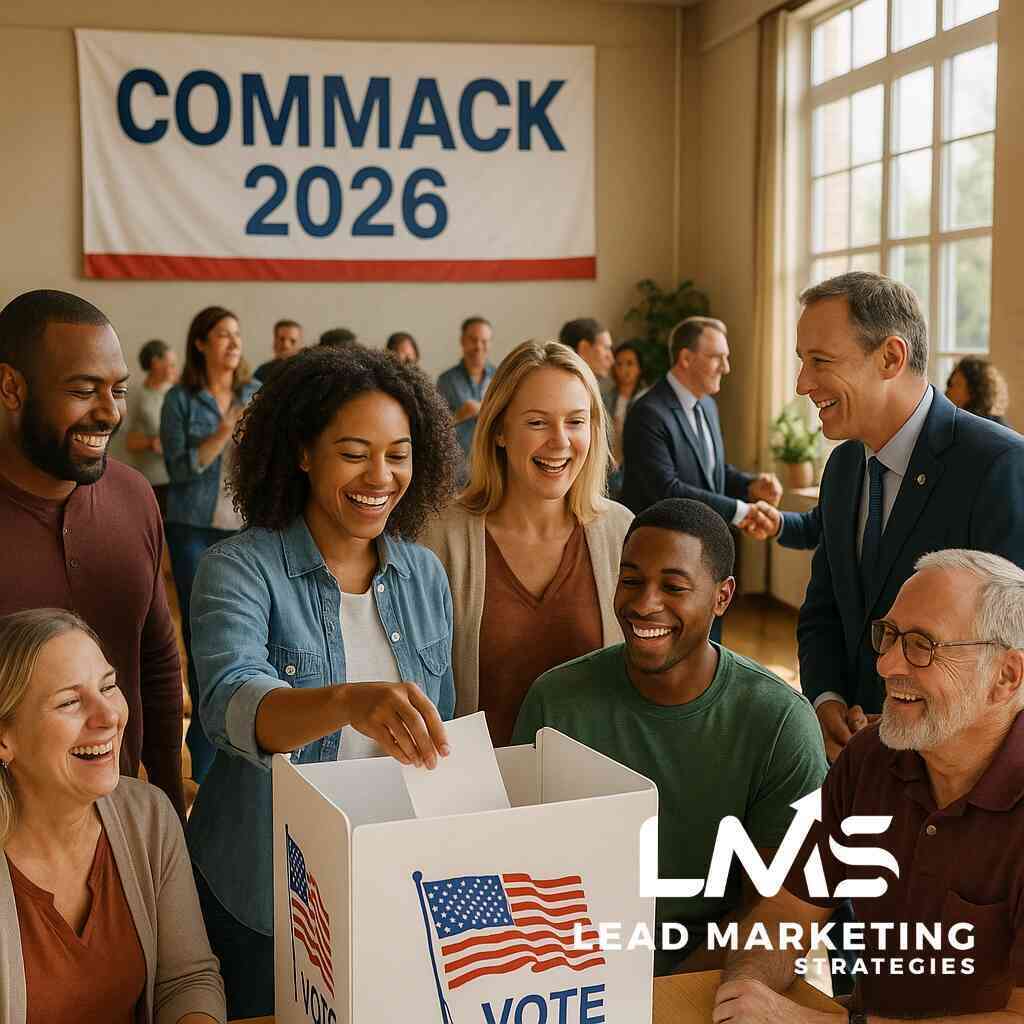
Coordinating community partnerships involves aligning campaign goals with those of local organizations and stakeholders. Successful partnerships require clear communication and shared objectives, creating opportunities for collaboration and mutual support. Effective political volunteer coordination facilitates resource sharing and problem-solving, enhancing the campaign’s capacity to reach and influence voters. Through strategic partnership coordination, campaigns can maximize their reach and build lasting alliances that benefit both parties.
Engaging Volunteers for Effective Political Outreach
Volunteers are the backbone of any political campaign, driving efforts to engage and mobilize voters. Robust recruitment and training programs allow campaigns to channel the energy and enthusiasm of dedicated individuals effectively. Volunteers should be equipped with the tools and knowledge needed to represent the campaign confidently, enabling them to conduct outreach initiatives with purpose. Establishing clear roles and expectations ensures that volunteer efforts remain well-coordinated, optimizing overall campaign success.
Maximizing Impact through Volunteer Networks
Strong volunteer networks are key to amplifying a campaign’s impact. By nurturing a culture of collaboration and support, campaigns can encourage volunteers to serve as genuine amplifiers for campaign messages and initiatives. Regular communication, recognition, and feedback loops are essential for maintaining motivation and commitment. By fostering an inclusive and encouraging environment, campaigns can achieve their goals while building strong, enduring community relationships.
5) Political Networking and Forums
Facilitating Political Community Forums
Community forums provide a platform for open dialogue between candidates and constituents. Facilitating these discussions requires creating environments where diverse perspectives are welcomed and respected. When forums function as genuine spaces for exchange, campaigns build greater trust and transparency with their audience. These interactions provide invaluable insight into voter sentiments and concerns, allowing campaigns to adjust strategies and sharpen their political messaging accordingly.
Organizing Strategic Political Networking Events
Networking events offer vital opportunities for candidates to connect with influential stakeholders and community members. Organizing these events effectively means ensuring the format encourages meaningful interactions and genuine relationship-building. By facilitating well-planned political networking events, campaigns can expand their influence and garner support from key figures within the community. These connections can prove instrumental in navigating complex political landscapes and achieving campaign objectives.
Driving Public Engagement through Interactive Platforms
Interactive platforms are essential tools for driving public engagement and fostering dynamic connections between candidates and voters. Using digital marketing technologies and social media, campaigns can reach large audiences quickly and efficiently. Interactive content such as live streams, polls, and Q&A sessions encourages participation and feedback, ensuring that voters feel heard and valued. By creating engaging virtual environments, campaigns can maintain a consistent and impactful presence in the public sphere.
Conclusion: The Future of Community-Driven Political Strategy
Reflecting on the Impact of Community Outreach
Community outreach has become indispensable in modern political campaigns. Its impact is evidenced by increased voter engagement, more informed decision-making, and stronger candidate-community relationships. Reflecting on outreach efforts allows campaigns to identify areas for improvement and celebrate achievements, propelling them toward greater success in future initiatives.
Innovating for Continued Voter Engagement
Innovation is key to sustaining voter engagement in an evolving political landscape. By staying current with technological advances and social trends, campaigns can continually refine their strategies to meet the needs of their audiences. Emphasizing creativity and adaptability ensures that campaigns remain relevant and resonate with constituents.
Envisioning the Path Forward for Political Campaigns
The future of political campaigns lies in their ability to seamlessly integrate community feedback and insights into their strategies. Campaigns must prioritize authenticity and engagement, demonstrating a genuine commitment to representing their voters’ interests. By championing community-driven strategies, campaigns can forge lasting connections with constituents, setting the stage for transformative and meaningful participation in the democratic process.
By leveraging expertise in community outreach and cutting-edge methodologies, Political Marketing Strategies is uniquely positioned to support campaigns in navigating these complexities and achieving exceptional results in voter engagement and political influence.
Frequently Asked Questions
Question: How can Political Marketing Strategies assist with grassroots campaign initiatives to enhance local voter interaction?
Answer: Political Marketing Strategies specializes in developing innovative grassroots campaign strategies, focusing on fostering direct and meaningful local voter interaction. Our team employs techniques such as community forums, town halls, and neighborhood events to create authentic dialogue between candidates and constituents. By leveraging our experience in political outreach methods and grassroots campaign initiatives, we help campaigns tailor their messages and strategies to resonate with community interests, ensuring successful voter engagement near Commack.
Question: What role do political community events play in increasing voter engagement, and how does Political Marketing Strategies facilitate these events?
Answer: Political community events are crucial for raising awareness and fostering civic engagement within the community. At Political Marketing Strategies, we organize impactful political awareness campaigns and voter education programs tailored to address specific community needs. Our expertise in event promotion and execution ensures that these events are not only educational but also engaging, driving increased voter participation and strengthening electoral community building efforts. Our approach helps campaigns connect with voters on a personal level, showcasing their commitment to local political advocacy and community outreach strategies.
Question: How does Political Marketing Strategies help political campaigns set the stage for local political influence through community-based action plans?
Answer: To establish local political influence, Political Marketing Strategies collaborates with campaigns to develop community-based political action plans that align with regional priorities and challenges. By involving local stakeholders in the planning process and leveraging our deep understanding of electoral analytics, we ensure that initiatives remain relevant and actionable. These plans serve as roadmaps for community-driven political strategy, building a foundation for sustained political involvement and enhancing the campaign’s credibility and connection with the community.
Question: What strategies does Political Marketing Strategies employ to maximize the impact of political volunteer coordination efforts?
Answer: Effective political volunteer coordination is pivotal to the success of any campaign. At Political Marketing Strategies, we focus on recruiting, training, and empowering volunteers to serve as the backbone of outreach efforts. Our strategies include engaging volunteers through dynamic campaigns and providing them with the tools necessary for effective political outreach. By cultivating robust volunteer networks and fostering a culture of collaboration and support, we ensure that volunteer efforts are well-coordinated and impactful, optimizing campaign outcomes.
Question: In the blog ‘Top 5 Community Outreach Strategies Near Commack in 2026,’ how is voter mobilization addressed, and how can Political Marketing Strategies support this process?
Answer: The blog highlights voter mobilization as a critical component for increasing electoral participation. Political Marketing Strategies assists campaigns in developing volunteer-driven voter mobilization initiatives that utilize technology and data analytics to identify and target specific demographics effectively. Our tailored outreach plans address logistical barriers, encourage voter turnout, and employ community-driven political strategies to ensure comprehensive and inclusive mobilization efforts. By positioning campaigns to effectively engage with voters, we help drive electoral participation and enhance overall campaign success.

The Political Marketing Strategies Team
Our team of marketing experts specializes in helping political campaigns grow their businesses through strategic digital marketing, SEO, and customer acquisition.
View all articles