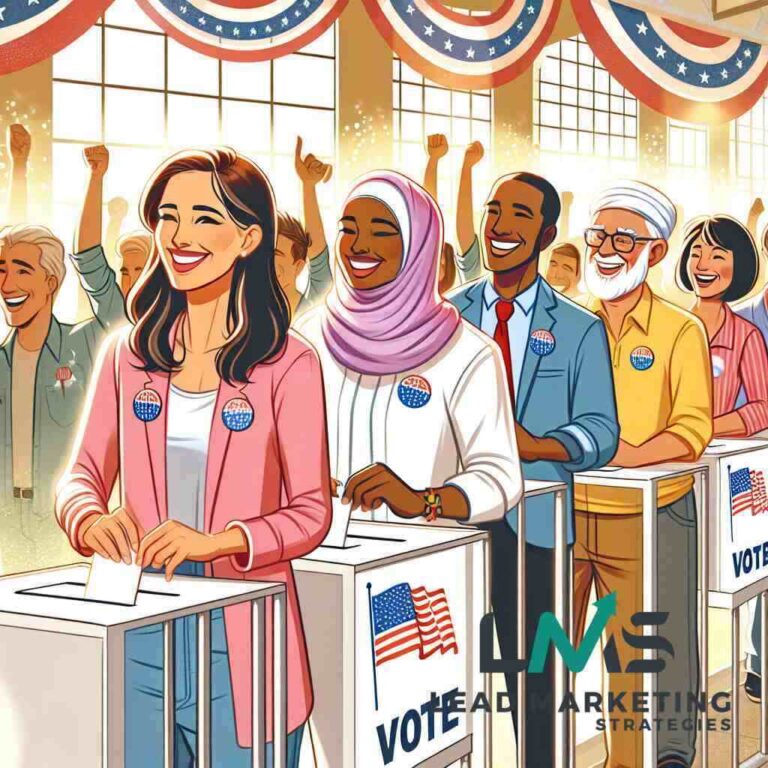
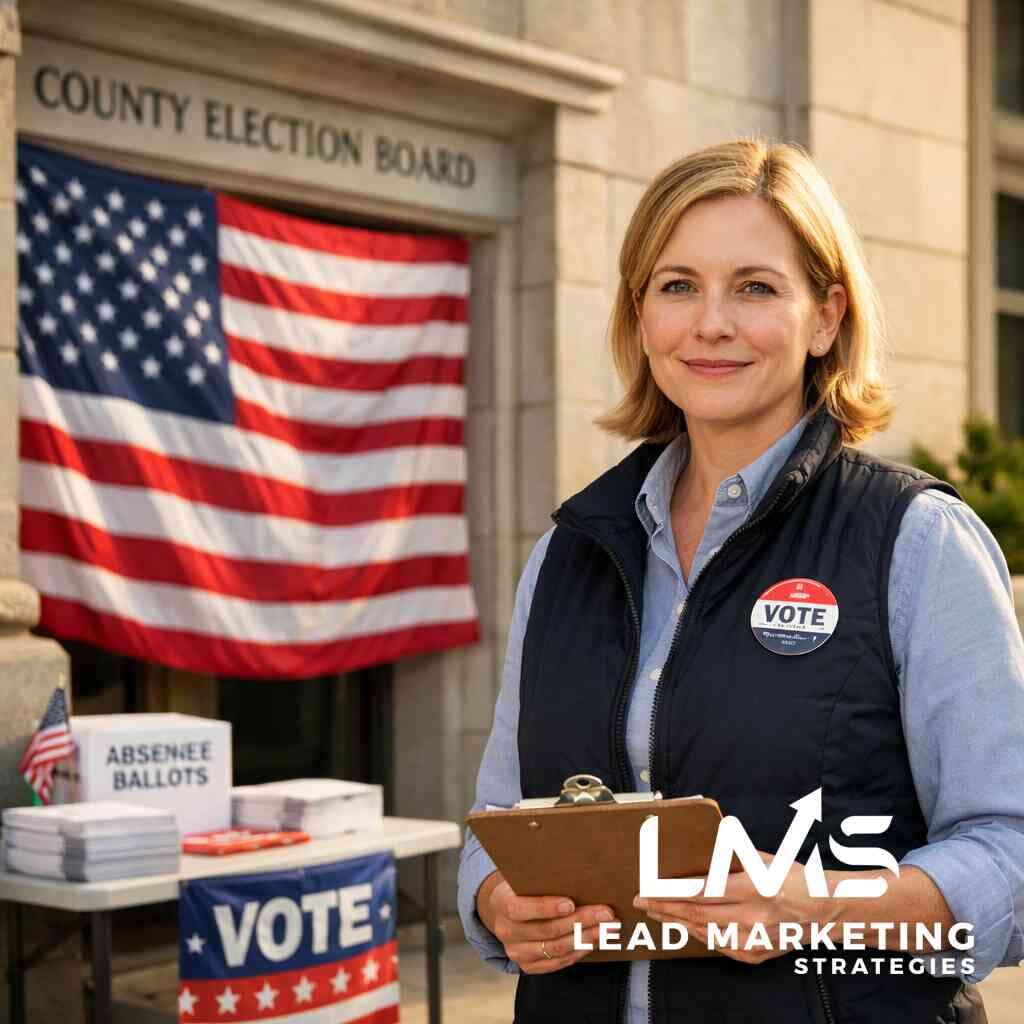
Political audience segmentation is the practice of dividing voters into smaller, useful groups so your message, ad spend, and outreach match what each group actually cares about. It improves ROI by reducing waste and increasing turnout, donations, and persuasion.
If you are staring at a campaign budget and wondering why the money is not moving votes, this is usually where the problem lies. The hard part is not spending more; it is sending the right message to the right voter at the right time.
Key Takeaways
- Political audience segmentation groups voters by behavior, geography, issues, turnout history, and persuasion likelihood so campaigns can spend less and get better results.
- A strong voter segmentation strategy improves campaign ROI optimization by making ads, email, direct mail, and field outreach more relevant.
- Microtargeting for elections works best when voter file data, polling integration, and predictive analytics are used together, not separately.
- Segmentation helps campaigns with GOTV strategies, early voting outreach, absentee ballot targeting, fundraising audience segmentation, and political brand development.
- For compliance, your targeting plan should align with FEC regulations, platform ad rules, and state election law. Review the Federal Election Commission guidance before launching paid political ads.
Why some campaigns burn cash while others quietly win more votes
The hidden cost of treating every voter like the same person is simple: you pay to reach people who were never going to respond, and you miss the people most likely to act. Political audience segmentation fixes that by matching message to motive. It is one of the most direct ways to improve political advertising strategies and lower waste in campaign digital marketing.
A county race in Suffolk County showed this clearly for one of our composite client examples. The campaign sent one broad email to everyone, then a segmented version to supporters, persuadables, and low-turnout voters. The segmented version lifted click-through rates, and the field team used the same logic for digital voter outreach and canvassing scripts. The budget was not bigger. The targeting was sharper.
The hidden cost of treating every voter like the same person
Most campaigns lose efficiency in three places: they buy broad media, send generic messages, and ask the same thing of every voter. That approach can work for name recognition, but it usually underperforms for persuasion, fundraising marketing, and turnout. You do not need one message for the whole district. You need message discipline by segment.
A useful way to think about it is this:
- Demographic segmentation for campaigns shows who voters are.
- Geographic voter segmentation shows where they live and which local issues matter.
- Behavioral targeting in politics shows how they respond.
- Issue-based voter segmentation shows why they care.
That mix is what powers better voter targeting techniques. It also helps your team avoid spending on voters who are outside the real persuasion universe targeting or unlikely to vote at all.
What campaign ROI really looks like when voter data and message match
Campaign ROI is not just lower cost per click. It is more votes per dollar, more donations per email send, and more doors knocked on the voters who matter most. In practice, that means your data analytics for campaigns should tie directly to message testing, audience selection, and field priority. 
Campaign actionBroad blastSegmented approachEmail fundraisingLower responseHigher donation ratePaid socialMore wasted impressionsBetter relevance and lower CPADirect mailGeneric copyIssue-specific appealGOTVEqual treatment for all votersPriority for likely supporters and low-propensity votersThat table is the core of campaign budget optimization. When message and audience match, you spend less to do more. For deeper planning, many campaigns also review how voter data analysis drives success alongside our political SEO services so the website, ads, and email all speak to the same voter segments.
What political audience segmentation actually means inside a real campaign
Political audience segmentation means building voter groups based on measurable traits, then using those groups to guide outreach. In a real campaign, that usually combines voter file segmentation, psychographic voter analysis, turnout propensity modeling, and likely voter identification. The point is not to create more spreadsheets. The point is to make every touch more useful. The best campaigns in Long Island, Commack, and beyond use segmentation to connect voter data with action. They pair it with our campaign websites, because a landing page that mirrors the audience’s concern converts better than a generic homepage. That matters for political campaign SEO, candidate web design, and voter engagement strategies all at once. ### How voter file segmentation, psychographic voter analysis, and demographic segmentation work together
Voter file segmentation starts with the raw record: party history, turnout history, address, age band, and sometimes modeled issue interest. Psychographic voter analysis adds attitude and motivation, such as trust in institutions, taxes, schools, safety, or change. Demographic segmentation for campaigns adds practical context like age, household type, and language.
Used together, these layers help you build clear audience buckets:
- Base supporters for turnout and donations.
- Persuasion voters for message testing and issue mail.
- Low-propensity voters for early persuasion and absentee chase.
- Opposition-leaning voters for resource control, not heavy spending.
Here is the part most online guides miss: segmentation is not static. A voter may move from persuadable to likely supporter after a debate, a mailer, or a local crisis. That is why campaigns that use our voter outreach services keep refreshing lists and creative instead of setting one audience and forgetting it.
Why microtargeting for elections beats broad blasts in digital voter outreach
Microtargeting for elections works because voters do not share the same reason to care. A parent worried about school quality, a retiree focused on taxes, and a first-time primary voter will not respond to the same line of copy. Broad blasts still have a place for awareness, but they are weak for persuasion and turnout.
The strongest use cases are usually these:
- Election social media marketing that changes by precinct or issue.
- Political email marketing with separate asks for donors, volunteers, and persuadables.
- Social media advertising for elections that tests multiple messages by audience.
- Political direct mail that matches local concerns in a neighborhood or ward.
- GOTV strategies that focus on likely supporters with clear voting instructions.
One campaign we supported near Northgate Shopping Center in Commack used separate creative for supporters, soft supporters, and undecideds. The supporter ads pushed turnout and absentee ballot steps. The undecided group saw a shorter issue message and a cleaner candidate contrast. The result was not magic. It was discipline. For campaigns comparing service options, Best 2026 Digital Voter Outreach Tactics for Candidates is a useful reference point, especially if you need local political marketing in Suffolk County or a nationwide race.
Segmentation also helps with compliance. If your audience targeting plan includes paid ads, review platform disclosure rules, state election laws, and the Federal Election Commission guidance on disclaimers and reporting. Good targeting should improve reach, not create legal risk.
If you need a team that lives in this work every day, Political Marketing Strategies is a strong option because they focus only on political campaigns, PACs, and advocacy groups. Based in Commack on Long Island, with coverage across all 50 states, they build segmentation into advertising, email, fundraising, and reputation work, which is exactly where ROI usually rises or falls.
Frequently Asked Questions
Question: What is political audience segmentation in What Is Political Audience Segmentation for Better ROI, and how can Political Marketing Strategies use it to improve campaign ROI optimization?
Answer: Political audience segmentation is the process of dividing voters into smaller groups based on voter file segmentation, psychographic voter analysis, demographic segmentation for campaigns, behavioral targeting in politics, geographic voter segmentation, and issue-based voter segmentation. At Political Marketing Strategies, we use this framework to align political marketing services with the voters most likely to respond, which reduces wasted spend and improves results across campaign digital marketing, political email marketing, election social media marketing, and political direct mail. Our team combines voter data modeling, predictive analytics for campaigns, and polling integration to build audience segments that support persuasion, turnout, and fundraising audience segmentation. That means your message is not just reaching more people; it is reaching the right people with the right angle at the right time. For campaigns focused on campaign budget optimization, this approach is one of the most effective ways to improve return on ad spend while strengthening political brand development and voter engagement strategies.
Question: How does Political Marketing Strategies use voter data modeling and polling integration to support microtargeting for elections and FEC-compliant audience targeting?
Answer: We use voter data modeling and polling integration to create more accurate audience segments for microtargeting for elections while keeping the strategy aligned with election advertising compliance and FEC regulations. That starts with analyzing turnout propensity modeling, likely voter identification, swing voter segmentation, and persuasion universe targeting so campaign teams can prioritize the voters who matter most. From there, we connect those insights to political advertising strategies, social media advertising for elections, political content marketing, and campaign message personalization. The result is a targeting plan that is both effective and compliant. For candidates and committees, this matters because poor targeting can waste budget or create legal risk, while a structured, data-driven system improves election campaign management and makes digital voter outreach more efficient. Political Marketing Strategies helps clients in local political marketing, statewide races, and national campaign strategies build audience plans that are smarter, safer, and more persuasive.
Question: Can Political Marketing Strategies help with political email marketing, GOTV strategies, early voting outreach, and absentee ballot targeting for down-ballot campaigns?
Answer: Yes. Political Marketing Strategies builds voter engagement strategies that support GOTV strategies, early voting outreach, absentee ballot targeting, and down-ballot voter targeting by matching the outreach message to each audience segment. For example, base supporters may receive turnout reminders, ballot step-by-step guidance, and deadline-focused email sequences, while softer supporters may get issue-based persuasion content through political email marketing and digital voter outreach. We also support grassroots campaign marketing with customized landing pages, candidate web design, and campaign website development so every touchpoint reinforces the same message. This is especially important in down-ballot races, where voters often need more context to understand the candidate, the race, and the urgency of voting. By using constituency segmentation and audience journey mapping for campaigns, we help campaigns create more efficient paths from awareness to action, which can improve election day strategy and increase the likelihood that supporters actually cast a ballot.
Question: How can Political Marketing Strategies improve fundraising marketing and political direct mail targeting through political audience profiling?
Answer: Political audience profiling allows us to identify which voters are most likely to donate, volunteer, share content, or respond to a direct mail appeal. That makes fundraising marketing much more efficient because the campaign can tailor the ask by donor history, turnout likelihood, issue interest, and engagement level. Political Marketing Strategies uses data analytics for campaigns to segment audiences for email fundraising, political direct mail targeting, and grassroots campaign marketing so each message has a stronger chance of converting. A frequent donor may receive a different appeal than a persuadable voter or a first-time supporter. Likewise, direct mail can be customized by precinct, issue, or demographic segment to increase relevance and response. This type of campaign message personalization helps lower waste while increasing response rates, which is why it is such an important part of campaign budget optimization and political campaign SEO strategy when the online and offline messaging are aligned.
Question: Why should a campaign work with Political Marketing Strategies for political campaign SEO, candidate web design, and election social media marketing instead of using generic marketing vendors?
Answer: Political Marketing Strategies focuses specifically on political marketing services, so every part of the plan is built for campaigns, PACs, and advocacy groups rather than generic consumer brands. That matters because political campaign SEO, candidate web design, and election social media marketing require a deep understanding of voter targeting, election advertising compliance, political PR, crisis communication for politicians, and the realities of political brand development. We build campaign websites and social content around the specific concerns of each audience segment, which improves credibility, engagement, and conversions. We also understand local political marketing, Suffolk County political advertising, Long Island election marketing, New York political marketing agency needs, and nationwide campaign marketing demands, so we can support everything from mayoral race marketing to congressional campaign marketing, senate race marketing, and presidential campaign marketing. In short, our approach combines strategy, creative, compliance, and analytics so campaigns can reach voters more effectively and spend smarter.

The Political Marketing Strategies Team
Our team of marketing experts specializes in helping political campaigns grow their businesses through strategic digital marketing, SEO, and customer acquisition.
View all articles