
Introduction to Voter Targeting in the Modern Era
The Evolution of Political Marketing Strategies
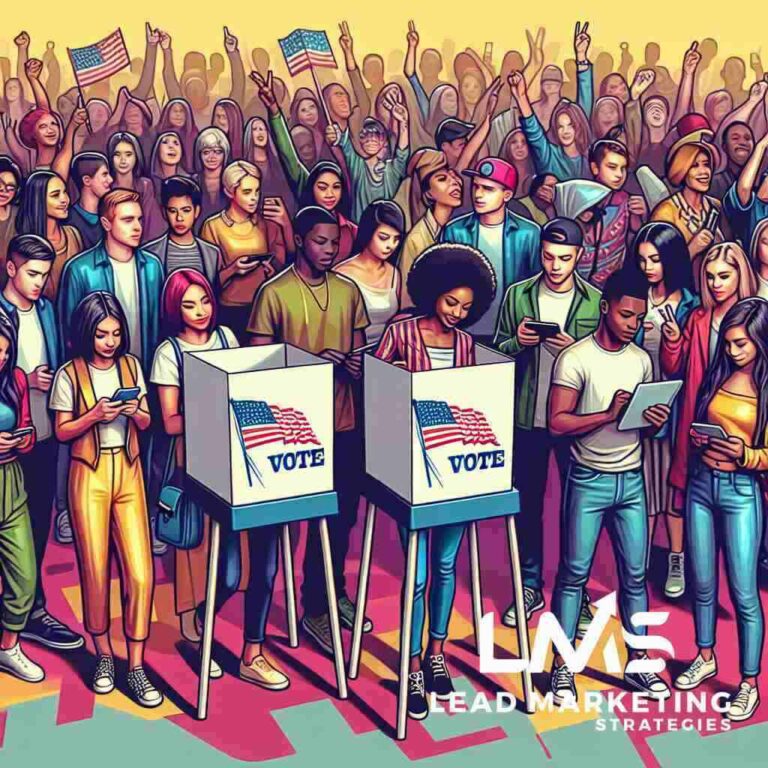
Political marketing has undergone a remarkable transformation, fundamentally changing how campaigns connect with voters. Initially, political outreach was largely confined to door-to-door canvassing, television ads, and direct mail. Advancements in technology have since revolutionized these methods, introducing digital campaign strategies that allow for more precise voter targeting strategies. Today, political campaigns leverage a diverse array of online platforms and digital tools to reach voters across every demographic and geographic location.
With the rise of the internet, the ability to target specific voter segments has grown increasingly refined, allowing campaigns to customize their messaging based on voter preferences and behavior. Social media platforms have extended this reach further, enabling campaigns to engage directly with voters through tailored content. This shift reflects a broader trend toward more personalized and interactive forms of political engagement, making it essential for campaigns to adapt if they want to remain relevant and effective.
Understanding Voter Behavior through Data Analytics
Data analytics has become a cornerstone of understanding voter behavior, offering unparalleled insights into the preferences and motivations of the electorate. By analyzing data from a variety of sources – including social media interactions, voting records, and online engagement – campaigns can develop comprehensive profiles of their target audience. This political data analysis enables a deeper understanding of voter sentiment and behavior, empowering campaigns to craft messages that resonate with specific voter segments.
The ability to predict voter behavior through data analytics has significantly influenced campaign strategies. By identifying trends and patterns within the data, campaigns can anticipate voter needs and preferences, tailoring their outreach efforts accordingly. This approach not only enhances voter engagement but also maximizes the effectiveness of campaign resources, ensuring that efforts are focused where they will yield the greatest impact.
The Role of Digital Campaign Management in 2026
In 2026, digital marketing plays a vital role in shaping the modern political landscape. As campaigns grow more complex, the need for efficient and streamlined management solutions becomes clear. Digital campaign management integrates various tools and platforms to optimize operations, from strategic planning through execution and analysis.
Advances in digital technology have created new opportunities for campaigns to connect with voters. Innovative tools allow for real-time monitoring and adjustment of campaign strategies, enabling campaigns to respond swiftly to shifting voter dynamics. Digital platforms also facilitate direct communication with voters, fostering a sense of connection and engagement that was previously difficult to achieve.
Advanced Techniques for Effective Voter Engagement
Micro-Targeting Techniques: Precision in Political Messaging
Micro-targeting techniques have emerged as essential tools for achieving precision in political messaging. By utilizing sophisticated algorithms and data analytics, campaigns can break the broad electorate down into smaller, more focused segments. This approach enables campaigns to deliver highly personalized messages that align with the specific interests and preferences of each voter group.
Tailoring messages with this level of precision not only enhances voter engagement but also increases the likelihood of voter conversion. As campaigns continue to refine these techniques, they can expect improvements in both voter turnout and overall support. The success of these strategies underscores the value of embracing advanced targeting solutions to remain competitive in a fast-moving political environment.
Harnessing AI for Personalized Voter Outreach
Artificial intelligence (AI) is reshaping personalized voter outreach in meaningful ways. AI-driven tools analyze vast amounts of data to identify trends, preferences, and behaviors among voters, enabling campaigns to create customized and impactful messages. This approach not only helps craft messages that resonate but also optimizes the timing and delivery of outreach efforts.
AI’s predictive capabilities allow campaigns to anticipate voter responses and adapt their strategies accordingly. This adaptability keeps campaigns relevant and effective in an ever-changing political landscape. By incorporating AI in political marketing, campaigns can achieve a level of personalization that deepens voter connection and drives successful outcomes across election cycles.
Cross-Platform Political Advertising: Reaching Voters Everywhere
Cross-platform political advertising ensures that campaigns reach voters wherever they are, regardless of which platform they use. By diversifying advertising efforts across multiple digital channels, campaigns can increase their visibility and engagement with different voter demographics. This strategy involves utilizing social media, search engines, streaming services, and more to maximize reach and impact.
Integrating cross-platform advertising not only strengthens the effectiveness of political advertising but also ensures consistent messaging across all channels. That consistency helps build a strong and recognizable campaign brand, foster voter awareness, and solidify campaign narratives. With voters consuming content across multiple platforms, cross-platform strategies are essential for sustaining voter interest and support.
Influencer Partnerships in Campaigns: Leveraging Trust and Reach
Influencer partnerships in campaigns have become an effective means of expanding reach and building trust. In modern political marketing, influencers serve as powerful conduits for messaging, enabling campaigns to tap into established networks and communities. This strategy involves collaborating with influencers whose values and audiences align with campaign objectives, thereby amplifying campaign messages.
The authenticity and credibility that influencers bring can significantly enhance voter trust and engagement. By associating with trusted voices, campaigns can build more meaningful connections with their audience. This approach not only broadens the reach of campaign messages but also strengthens voter engagement efforts, ultimately driving greater voter participation.
Behavioral Targeting in Politics: Insights from Voter Sentiment Analysis
Behavioral targeting involves analyzing voter behavior to tailor political messaging using insights drawn from voter sentiment analysis. This method enables campaigns to align their strategies with the attitudes and preferences of the electorate. By leveraging behavioral targeting, campaigns can craft messages that connect more deeply with voters and increase their effectiveness.
This approach offers a nuanced understanding of voter sentiment, which is crucial for developing impactful political campaign narratives. By focusing on the specific needs and interests of different voter segments, campaigns can foster stronger emotional connections and drive higher voter turnout. As data-driven strategies continue to evolve, behavioral targeting will only grow in significance, shaping the future of political engagement.
Innovative Approaches to Community and Grassroots Mobilization
Omni-Channel Voter Engagement: Creating a Unified Campaign Experience
Omni-channel voter engagement is critical for creating a unified campaign experience, allowing voters to interact with a campaign seamlessly across multiple platforms. This approach integrates various channels – such as social media, email, live events, and traditional media – to ensure consistent and cohesive communication.
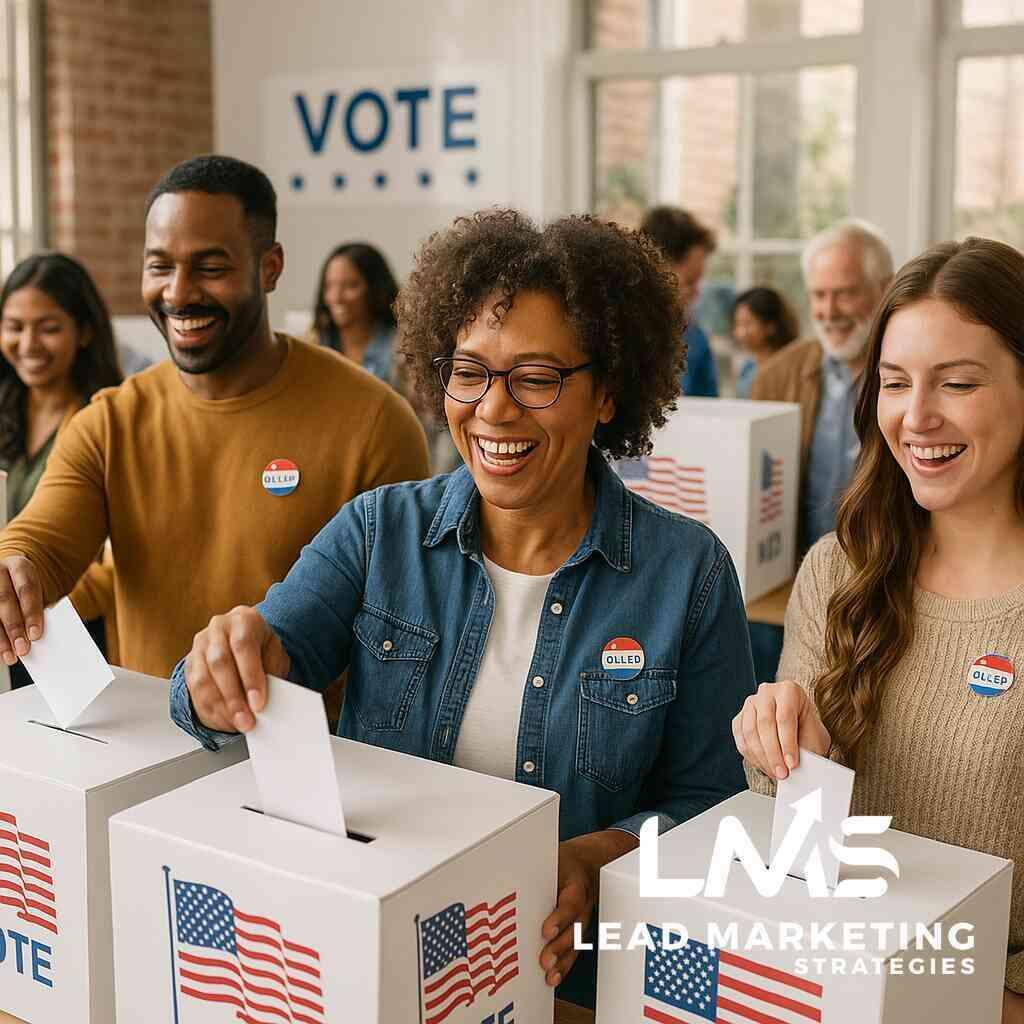
By engaging voters through an omni-channel strategy, voters receive a well-rounded experience that strengthens their connection to the campaign. This strategy not only boosts engagement but also builds stronger relationships with voters, contributing to higher retention rates. Omni-channel approaches enhance campaign visibility and ensure that every touchpoint reinforces campaign values and messages.
Grassroots Mobilization Methods: Building a Movement from the Ground Up
Grassroots mobilization remains a powerful method for building political movements from the ground up. This approach focuses on empowering local communities to influence broader political outcomes. By tapping into community interests and motivations, campaigns can encourage voter participation and foster a genuine sense of ownership and commitment.
Grassroots mobilization tactics involve organizing events, volunteer efforts, and advocacy initiatives that resonate with local concerns and priorities. This engagement builds a network of enthusiastic supporters who can drive momentum and expand the campaign’s influence. Grassroots efforts remain an indispensable strategy for achieving widespread voter mobilization and ensuring campaign success.
Interactive Political Content: Engaging Voters Through Virtual Town Halls
Virtual town halls represent an innovative form of interactive political content that allows campaigns to engage voters directly in a digital space. This format provides a platform for open dialogue and interaction between candidates and constituents, promoting transparency and accessibility.
By utilizing virtual town halls, campaigns can reach a broader audience and engage voters on the issues that matter most to them. This approach fosters a sense of community and empowers voters to voice their concerns and perspectives. Interactive political content in this form enhances voter trust and participation, ultimately contributing to a more informed and engaged electorate.
Strategic Voter Segmentation: Tailoring Messages to Electoral Demographics
Strategic voter segmentation involves tailoring campaign messages to specific electoral demographics, improving the precision and effectiveness of outreach efforts. This strategy requires a thorough understanding of the various voter segments within the electorate and their unique preferences and motivations.
By implementing strategic voter segmentation, campaigns can ensure their messages resonate with targeted demographics, increasing the likelihood of a positive voter response. This approach not only enhances engagement but also ensures that messages reach the right audience at the right time. Tailoring messages to different voter segments is essential for maximizing reach and driving campaign success.
Real-Time Voter Feedback: Adapting Campaign Strategies on the Fly
The ability to gather real-time voter feedback is transformative for adapting campaign strategies as circumstances change. By leveraging digital tools and platforms, campaigns can monitor voter responses and sentiment continuously, enabling them to adjust their tactics as needed.
Real-time feedback provides critical insights into the effectiveness of campaign messages and strategies, allowing for timely adjustments that can strengthen voter engagement and support. This adaptability ensures that campaigns remain responsive to voter needs and dynamics, fostering a more effective campaign operation. Embracing real-time feedback is essential for staying competitive in an ever-evolving political landscape.
Conclusion: Shaping the Future of Political Campaigns
The Impact of Adaptive Political Advertising on Election Outcomes
Adaptive political advertising has fundamentally changed how campaigns influence election outcomes. By utilizing data-driven insights and advanced targeting techniques, campaigns can deliver personalized messages that resonate with voters on a deeper level. This approach not only enhances voter engagement but also drives higher conversion rates.
The ability to adjust advertising strategies based on real-time data ensures that campaigns remain relevant and impactful throughout the election cycle. As political landscapes continue to shift, embracing adaptive political advertising strategies will be critical for achieving campaign success and influencing election outcomes positively.
Crafting Campaign Narratives for Maximum Voter Impact
Crafting compelling campaign narratives is essential for maximizing voter impact. A strong narrative creates a connection between the campaign and the electorate, fostering a sense of shared values and goals. This connection is crucial for building trust and encouraging voter participation.
By focusing on authentic storytelling and relatable messages, campaigns can capture voters’ attention and build lasting relationships. Effective campaign narratives communicate not only policy proposals but also the candidate’s vision and values. Mastering the art of narrative crafting is key to shaping voter perceptions and driving meaningful engagement.
The Path Forward: Embracing Digital Transformation in Political Marketing
Embracing digital transformation is the path forward for political marketing, promising to reshape how campaigns engage with voters. Lead Marketing Strategies integrates innovative technologies and data-driven approaches to optimize campaign operations and outreach efforts.
By leveraging digital tools, campaigns can enhance voter engagement, streamline operations, and achieve greater precision in targeting. This transformation not only improves campaign efficiency but also ensures that messages are delivered effectively across multiple platforms. Embracing digital transformation is essential for staying competitive and achieving success in the modern political landscape. Political Marketing Strategies stands ready to help your campaign navigate this digital evolution, ensuring that you connect with your voters in meaningful and impactful ways.
Frequently Asked Questions
Question: How do the micro-targeting techniques enhance voter engagement in political campaigns?
Answer: Micro-targeting techniques play a crucial role in enhancing voter engagement by allowing political campaigns to identify and target smaller voter segments with tailored messaging. By leveraging data-driven campaign strategies, these techniques use sophisticated algorithms to analyze electoral demographic insights and voter preferences. This approach allows for highly personalized voter outreach, ensuring that campaign messages resonate with individual voters’ specific interests and needs. This precision in political messaging not only increases the effectiveness of outreach efforts but also boosts voter engagement and conversion rates. Political Marketing Strategies excels in implementing micro-targeting techniques, ensuring that your campaign reaches the right audience with impactful messages.
Question: What role does AI play in personalized voter outreach, and how does it impact the success of a political campaign?
Answer: Artificial intelligence (AI) significantly enhances personalized voter outreach by analyzing vast amounts of data to identify trends, preferences, and behaviors among voters. AI’s predictive capabilities allow campaigns to anticipate voter responses and adapt their strategies for maximum effectiveness. At Political Marketing Strategies, we utilize AI in political marketing to optimize campaign precision and messaging personalization. This leads to stronger voter connections, increased voter engagement, and ultimately, greater success in elections. By incorporating AI into your campaign, you can ensure a level of adaptability and engagement that sets you apart in the political landscape.
Question: Can you explain the significance of omni-channel voter engagement strategies in the context of ‘What Are the Top Voter Targeting Marketing Strategies in 2026’?
Answer: Omni-channel voter engagement is crucial for creating a cohesive and unified campaign experience across multiple platforms. In the context of ‘What Are the Top Voter Targeting Marketing Strategies in 2026,’ it ensures that every voter interaction reinforces the campaign’s messages and values. By integrating channels like social media, email, and traditional media, Political Marketing Strategies helps create an engaging and consistent voter experience. This approach not only boosts overall engagement but also strengthens relationships with supporters, contributing to higher voter retention rates. Implementing omni-channel strategies is essential for ensuring that your campaign remains visible and influential across platforms.
Question: How do influencer partnerships contribute to the effectiveness of cross-platform political advertising?
Answer: Influencer partnerships significantly enhance cross-platform political advertising by leveraging trusted voices to amplify campaign messages. Working with influencers who align with campaign objectives allows for authentic messaging across various digital channels, such as social media and streaming services. Political Marketing Strategies excels at forming strategic influencer partnerships that expand campaign reach and foster trust among voters. This strategy ensures that political advertising is not only consistent but also impactful, driving increased voter awareness and participation. Embracing influencer partnerships is a vital component of successful cross-platform political campaigns.
Question: What are the benefits of using real-time voter feedback in adapting campaign strategies?
Answer: Real-time voter feedback provides invaluable insights that allow campaigns to adjust their tactics quickly, ensuring their messages resonate with voters. By leveraging this feedback, Political Marketing Strategies can adapt campaign strategies as conditions change, enhancing voter engagement and support. This continuous monitoring ensures that campaigns remain responsive to voter needs and dynamics, maintaining competitive advantages in the ever-evolving political landscape. Real-time feedback is a powerful tool for maximizing the effectiveness of adaptive political advertising and overall campaign success.

The Political Marketing Strategies Team
Our team of marketing experts specializes in helping political campaigns grow their businesses through strategic digital marketing, SEO, and customer acquisition.
View all articles