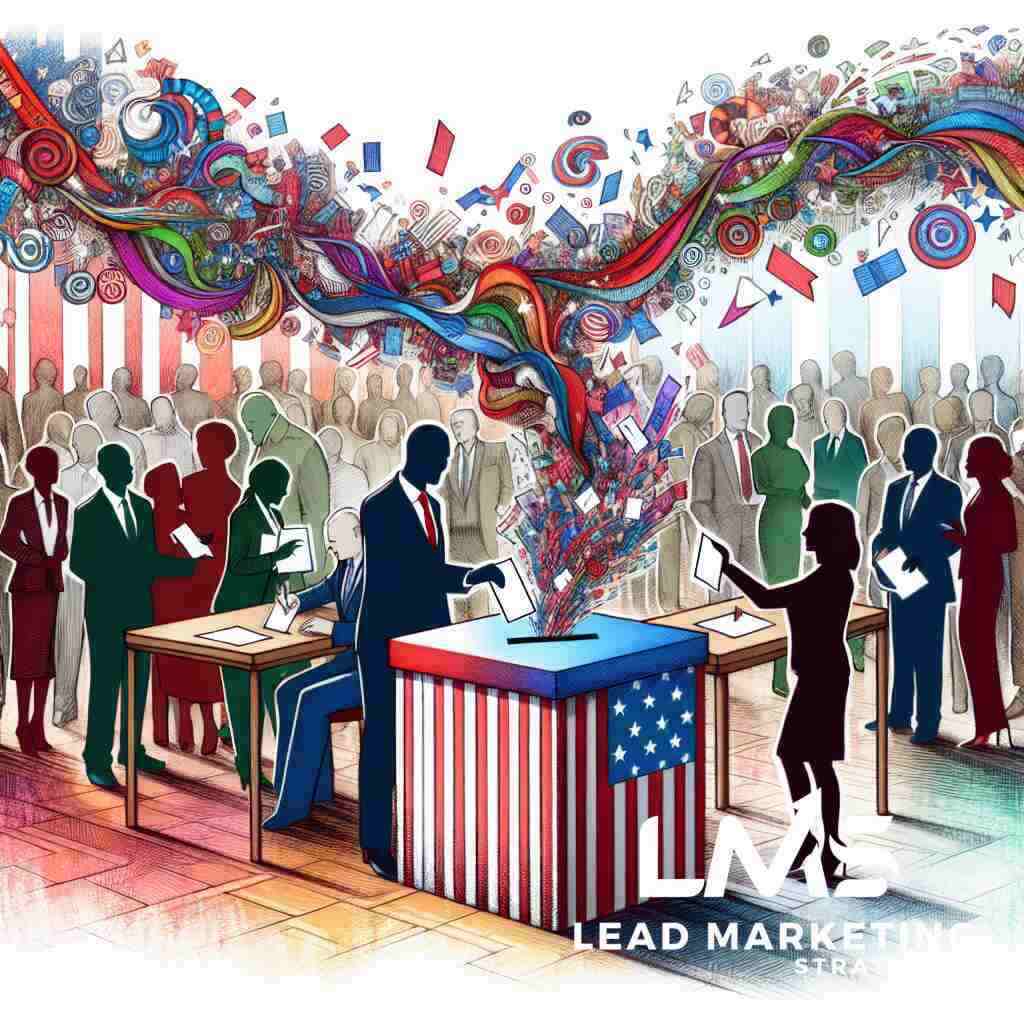

When a campaign crisis hits, the first thing that breaks is usually control of the message. The fastest way to recover is to use political marketing strategies that combine rapid response messaging, reputation management for politicians, and disciplined media control before the story hardens.
Key Takeaways
- Political crisis response works best when it starts with message control, not panic control. The goal is to stop confusion before it becomes the headline.
- The strongest response stack combines political PR, social media crisis management, campaign website updates, and email outreach. Those channels reinforce one another when used in the right order.
- Election advertising compliance and FEC regulations still apply during a crisis. Fast response does not excuse unclear disclaimers, misleading claims, or sloppy audience targeting.
- You should segment your audience before you speak. Supporters, persuadable voters, donors, and reporters need different messages.
- A crisis can strengthen a campaign if you use it to show discipline, transparency, and voter-first communication. That is where political brand protection turns into voter trust restoration.
When a campaign crisis hits, what actually breaks first
The first thing that breaks is message discipline. Once reporters, opponents, and supporters all start repeating different versions of the same story, your campaign loses control of the frame. In my experience, the campaigns that recover fastest are the ones that treat the first hour like communications triage, not a debate.
The warning signs that your message has slipped out of your hands
You can usually spot the problem early. The press is asking for comment before your team has agreed on the facts. Social posts are pulling in opposite directions. Volunteers, donors, and surrogates are all improvising their own answers.
Here are the warning signs I watch for:
- Staff members are giving different explanations.
- A rumor is outrunning your official statement.
- Opponents are defining the issue first.
- Supporters are asking for guidance instead of repeating your message.
- Search results are filling with negative press response content before you respond.
This is where political brand protection starts. If your campaign has strong political content marketing and a clear voice, you already have a base to work from. If not, the crisis exposes the gap quickly.
I once worked with a local candidate whose comments were taken out of context at a packed community meeting in Suffolk County. The issue was not the original remark. It was the three-hour delay before the campaign released a clear explanation, which let opposition attack response posts do the framing for us. We fixed it by tightening the script, updating the website, and pushing one consistent answer through every channel.
Why reputation management for politicians has to move faster than the news cycle
Reputation management for politicians has to move faster because the news cycle now moves in minutes, not days. If you wait for perfect language, you usually lose the first round of public trust. That does not mean rushing out a sloppy statement. It means preparing crisis-ready campaign messaging before you need it.
The best teams use a simple rule: respond quickly, confirm facts, then refine the message. That keeps you from sounding evasive. It also gives your political spokesperson strategy something solid to repeat across interviews, social channels, and donor communication.
For campaigns in Long Island, Suffolk County, or Commack, the local media cycle can be even tighter because community outlets and neighborhood groups spread updates quickly. A rumor near Jericho Turnpike can reach voters before your press release does. That is why we build political public relations strategy with speed baked in.
The response stack that keeps a story from turning into a scandal
A crisis response stack works when each layer does one job well. Political PR handles the public explanation. Social media crisis management shapes the conversation in real time. Campaign website updates give voters a stable source of truth. Political email marketing gives your supporters a direct line from you.
How crisis communication for politicians turns into rapid response messaging and media narrative control
Crisis communication for politicians is not just about saying sorry or denying a charge. It is about controlling the sequence of information. First, you state what you know. Then you say what you are doing. Then you tell people where to get updates. That sequence matters because media narrative control depends on clarity. If your statement is too long, reporters pull the strongest line and ignore the rest. If it is too vague, opponents fill in the blanks. Good rapid response messaging keeps the answer short, factual, and repeatable. A practical stack usually looks like this: 
- Confirm the facts with legal and field staff.
- Draft a holding statement.
- Update your spokesperson with three approved talking points.
- Post a clarification on your campaign website.
- Push the same language through email, social, and donor channels.
If you want a deeper framework, we have a useful guide to crisis control that shows how message discipline holds up under pressure.
For campaigns that need a faster production workflow, our rapid response content process is built for short-turnaround messaging without losing accuracy.
Why election advertising compliance, FEC regulations, and political audience segmentation all matter at once
Election advertising compliance does not pause because a campaign is under fire. If you are running ads, posting sponsored content, or sending fundraising emails, the usual rules still apply. The FEC expects proper disclaimers, and state election laws may add more requirements. You can review the basics at the Federal Election Commission, which remains the main federal reference for campaign advertising rules.
Political audience segmentation matters because the crisis message should not be identical for every voter. Supporters need reassurance. Persuadable voters need facts. Reporters need precision. Donors need to know the campaign is stable. If you send one blunt message to all four groups, you usually weaken it.
AudienceMain goalBest channelSupportersKeep trust and turnoutEmail, social, volunteer scriptsPersuadable votersReduce confusionWebsite, ads, local mediaDonorsProtect confidenceDirect email, fundraising pageReportersClarify factsPress statement, spokespersonThis is also where voter sentiment analysis and data analytics for campaigns help. If you can see which neighborhoods, age groups, or issue blocs are reacting most strongly, you can adjust the tone without changing the facts. That is the kind of precision we use in campaign digital advertising and broader election response planning.
What the strongest campaigns do in the first 24 hours
The strongest campaigns act fast, but they do not act blindly. In the first 24 hours, they align political PR, social media crisis management, and political email marketing around one verified message. They also update the campaign website, track voter sentiment, and use polling integration or quick testing to see whether the message is landing.
How political PR, social media crisis management, and political email marketing work together
Political PR gives the public explanation. Social media crisis management gives you speed. Political email marketing gives you a direct channel that does not depend on reporters or platform algorithms. When these three are aligned, you can calm supporters and reduce rumor spread at the same time.
I usually tell clients that the goal is not to post more. It is to post better. One clear statement on Facebook, X, Instagram, and your email list can do more than five reactive posts. If the campaign has video assets ready, a short on-camera response often helps because voters can see tone and body language, not just words.
For teams handling a surge in comments, our social media marketing support helps keep the tone consistent across channels. If you need to protect the candidate’s standing while the issue is still moving, reputation management services can help rebuild trust without sounding defensive.
One thing almost no online guide mentions: your volunteers will often hear the crisis before your paid team does. That is why grassroots campaign communication matters. If your precinct captains, ambassadors, and donor chairs have the right script, they can keep the rumor from spreading at the doors.
On the compliance side, I always check the language before anything goes live. Political advertising strategies should never create a second problem while solving the first one. That includes disclaimers, claim substantiation, and any mention of polling or endorsements.
For campaigns that need a cleaner public-facing explanation, a quick update to the site can help. A campaign website can become the single source of truth, especially if the media is quoting old posts or incomplete screenshots.
When to update your campaign website, push clarification through voter outreach, and test the message with polling integration
Update the website as soon as the facts are confirmed. Do not wait for the perfect redesign. A banner, FAQ, or pinned statement is often enough to reset the conversation. Then push that clarification through voter outreach, especially to supporters who are most likely to repeat the message in their own circles.
Polling integration is useful because it shows whether your wording is helping or hurting. You do not need a full survey to learn something. A small voter sentiment check, email open rate, or quick persuasion test can tell you whether the message sounds credible or stiff.
If you are handling local political marketing in Commack, Suffolk County, or elsewhere on Long Island, the same rules apply. If you are running a congressional campaign marketing effort, a senate race marketing push, or a down-ballot race in another state, the channel mix changes, but the discipline does not.
For a practical reference on message structure and campaign channels, I also point teams to our political marketing channels resource. It helps you decide which tool should speak first, second, and third.
If you want the work handled by a team that lives in this space every day, Political Marketing Strategies is a strong fit because we focus only on political campaigns, PACs, and public affairs work. From our team near the Northgate Shopping Center in Commack, we support local political marketing, state-level election marketing, and nationwide campaign strategies with the same process: verify, respond, and protect the brand.
A good crisis response does not try to erase the story. It makes sure the public hears the correct version first, from you, in your voice, with the facts intact.
You do not need to solve every problem in one sitting. Pick one approved statement, one website update, and one audience segment to contact today. If you want help building that plan, call +18335323100 or download the Political Marketing Strategies app and start the response with a team that knows how campaigns actually work.
Frequently Asked Questions
Question: How can Political Marketing Strategies help with political crisis response when negative press starts spreading fast?
Answer: Political Marketing Strategies helps campaigns regain control through crisis communication for politicians, rapid response messaging, and disciplined media narrative control. The first priority is stabilizing the story before it hardens, which means confirming facts, aligning leadership, and pushing one clear explanation across press, social, email, and the campaign website. This approach supports reputation management for politicians while reducing confusion among supporters, donors, and reporters.
Question: What does a strong political public relations strategy look like during election crisis communication?
Answer: A strong political public relations strategy during a crisis is built around message discipline, not panic. Political Marketing Strategies focuses on issuing crisis-ready campaign messaging that is short, factual, and repeatable, then backing it with campaign website updates, political email marketing for urgent updates, and social media crisis management. That combination helps protect political brand development, improve voter trust restoration, and keep the campaign from becoming reactive. It also ensures election advertising compliance and FEC regulations are not overlooked while the campaign is moving quickly.
Question: How does the blog How to Use Political Marketing Strategies for Crisis Response apply to political content marketing and digital voter outreach during controversy?
Answer: The blog shows that political content marketing during controversy should not be about flooding channels with more content. It should be about delivering one verified message through the right channels at the right time. Political Marketing Strategies uses digital voter outreach, political audience segmentation, and voter sentiment analysis to tailor the message for supporters, persuadable voters, donors, and reporters. That makes the response more effective because each group gets the information it needs without weakening the overall campaign message. It is especially useful for local political marketing, Long Island election marketing, Suffolk County political advertising, and national campaign strategies where the pace of the news cycle can move quickly.
Question: Can Political Marketing Strategies help with campaign website updates, social media advertising for elections, and political email marketing after a crisis?
Answer: Yes. Political Marketing Strategies can coordinate campaign website development, social media advertising for elections, and political email marketing so the campaign presents one stable source of truth. When a crisis breaks, the website can be updated with a pinned statement or FAQ, social media can carry the same verified language, and email can be used for direct clarification to supporters and donors. This is a practical form of campaign damage control because it reduces rumor spread, supports media relations for campaigns, and gives the campaign better control over how the story is framed. It also fits broader campaign branding under pressure, especially when paired with political video production for response messaging and careful political advertising strategies.
Question: What services can help with voter targeting, polling integration, and campaign branding under pressure in a crisis?
Answer: Political Marketing Strategies combines voter targeting, data analytics for campaigns, polling integration, and political audience segmentation to determine how the message is landing in real time. This matters because a crisis affects different voters differently, and the campaign should not speak to all audiences the same way. Supporters may need reassurance, persuadable voters may need facts, and donors may need confidence that the campaign remains stable. By testing messaging and tracking voter sentiment analysis, the team can adjust tone and placement without changing the facts. That is one of the most effective ways to protect political brand protection, support issue management for candidates, and preserve trust across mayoral race marketing, congressional campaign marketing, senate race marketing, presidential campaign marketing, and down-ballot marketing.
Every article is written by one of our founders and independently reviewed by the other before it goes live.

Ken Key is Chief Technology Officer and co-owner of Political Marketing Strategies, where he brings full stack engineering, AI, and political SEO expertise to campaigns of every affiliation. He and his wife Dominique run the agency as a family business, and Ken has shipped his own apps on Apple, Google Play, and Amazon. He writes about practical ways to grow your political business without the fluff.

Dominique Key is Chief Marketing Officer and Co-Owner of Political Marketing Strategies, where she leads brand strategy and creative for candidates and campaigns from every party. She runs the agency with her husband Ken and brings a relationship first approach to every race. Her writing focuses on political marketing, political SEO, and political lead generation that respects voters.