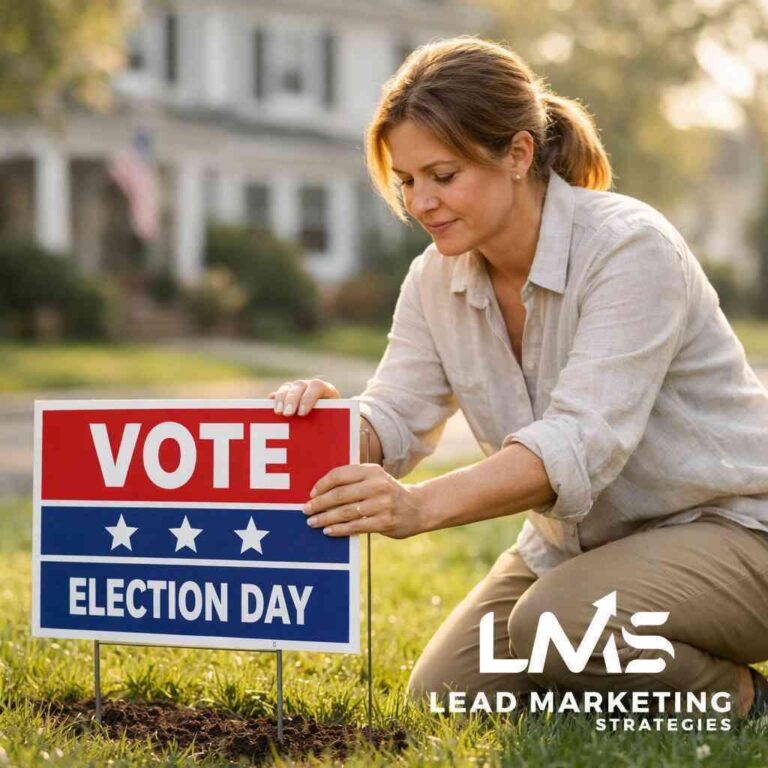

The Spring Primary Window Opens Soon – Here’s How Your Campaign Can Own It
You’re staring at a primary date that feels distant but is racing toward you faster than you think. Spring elections create a unique pressure cooker for candidates who underestimate the compressed timeline. Voters are emerging from winter routines and their attention is split among dozens of distractions. Your campaign must cut through that noise with precision and purpose. The window for voter contact shrinks every day you delay building your outreach engine. Smart candidates recognize that spring primaries reward the prepared and punish the hesitant. Let this guide serve as your roadmap to capturing attention, building trust, and turning out supporters before your opponent even realizes what happened.
Why Spring Elections Catch Even Smart Candidates Off Guard
Veteran candidates often stumble during spring primaries because they apply fall general election logic to a fundamentally different season. Voter behavior shifts dramatically when warmer weather arrives and family schedules fill with graduations, sports tournaments, and outdoor commitments. The typical household simply spends less time consuming political news during spring months than they do in October. Your message must work harder to break through a media environment crowded with seasonal advertising from every industry. Additionally, spring primary turnout models are notoriously difficult to predict using previous midterm or presidential year data. According to Pew Research Center analysis, primary turnout fluctuates far more than general election participation, which means your assumptions about who votes need constant validation. Political campaign fundamentals teach us that early investment in voter identification yields compounding returns. A seasoned political marketing agency near Jericho Turnpike understands these seasonal dynamics because they live inside the data every single cycle. When your team builds spring-specific outreach calendars from day one, you avoid the panic that derails campaigns still operating on autumn assumptions. The candidates who treat spring as its own strategic animal are the ones who deliver victory speeches while others wonder what happened.
Voter fatigue presents another spring-specific challenge that blindsides unprepared campaigns. By the time spring arrives, many communities have already weathered months of political messaging from previous special elections or municipal races. Your supporters might genuinely care about your candidacy but feel emotionally drained by the constant ask for attention and donations. Overcoming this fatigue requires message creativity and channel diversity that generic campaign playbooks simply do not provide. Furthermore, spring weather unpredictability wreaks havoc on traditional canvassing schedules and outdoor event planning. One weekend of heavy rain can erase two weeks of carefully planned volunteer shifts and leave your field team scrambling. Campaigns that lack adaptable outreach infrastructure lose those contact opportunities permanently. Meanwhile, the compressed timeline between petitioning deadlines and primary day forces resource allocation decisions that make or break your voter contact goals. Every dollar spent on a misaligned strategy represents a dollar you cannot redirect when early voting begins. The solution lies in partnering with professionals who have designed political marketing strategies for spring 2026 elections across dozens of cycles and understand these pressure points intimately.
The Outreach Mistakes That Leave Votes on the Table Before Primary Day
The most damaging spring campaign mistake is treating every registered voter as equally reachable and equally likely to participate. Campaigns that blanket entire precincts with identical messaging waste precious resources on households that statistically will not cast ballots. This spray-and-pray approach might feel productive because your team stays busy, but it produces diminishing returns that deepen as primary day approaches. Data-driven voter targeting separates the serious contenders from the candidates running on hope and caffeine. When you fail to layer consumer data, voting history, and modeled issue preferences, your door knocks become educated guesses rather than strategic contacts. An effective spring campaign marketing services package integrates multiple data sources before a single volunteer leaves headquarters. Without this foundation, your field team spends too much time talking to opposition supporters and not enough time mobilizing your base.
Another critical error involves neglecting the early voting and absentee ballot timeline that opens well before traditional GOTV weekend. Many spring candidates structure their entire outreach plan around a single Tuesday, expecting voters to appear at polling places on command. The reality is that spring absentee ballot requests surge as families plan travel around spring breaks and holiday weekends that coincide with primary dates. Your campaign must identify likely absentee voters weeks earlier than you might expect and secure their commitment before they leave town. Simultaneously, campaigns routinely underinvest in digital voter contact channels during spring because they assume older, high-propensity voters prefer mail and phone calls. The data tells a different story, as the 65-plus demographic now spends significant time on social media platforms and responds to well-targeted digital advertising. Missing these voters on the screens they actually use represents an unforced error that tight races cannot afford. Finally, the absence of a coordinated rapid response system leaves your campaign vulnerable to late attacks with no time to correct the record. Spring primaries move fast, and an unanswered negative narrative spreads through a community before your communications team even drafts a statement. Building your reputation management and crisis communication plan early prevents a few bad days from defining your entire candidacy.
Data-Driven Voter Targeting That Spots Your Supporters and Persuades the Undecided
Raw voter files contain potential but require professional analysis to become actionable intelligence for your spring campaign. Sorting through registration lists and turnout history without a systematic approach floods you with information and starves you of insight. The campaigns that win spring primaries treat voter data as a precision instrument rather than a blunt tool. They understand that households with identical voter scores might require completely different messages based on issue priorities and media consumption habits. Your targeting model must answer three fundamental questions for every contact: are they with us, against us, or persuadable, and what message moves them? Answering these questions before you deploy field resources ensures that every dollar and volunteer hour chases votes that actually exist. This disciplined approach transforms scattered outreach into a surgical operation that maximizes spring ballot returns.
Using Voter File Analysis to Predict Spring Turnout and Prioritize Doors
Standard voter files provide a starting point, but spring primary turnout prediction demands supplemental modeling that accounts for seasonal voting patterns. Historical general election data often misleads campaign strategists who project those turnout rates onto primary contests with fundamentally different electorates. Your analysis must isolate spring primary voters specifically, examining who actually showed up during comparable cycles rather than who registers as a reliable general election participant. Consumer data overlays add another predictive layer by identifying lifestyle indicators that correlate with spring voting behavior. Households with predictable work schedules, strong community ties, and prior primary participation form the backbone of your initial target universe. Voter data analysis for spring turnout using AI accelerates this process by detecting patterns that manual analysis would miss entirely. When machine learning models process thousands of variables simultaneously, they surface micro-segments of high-potential voters hiding within precincts that traditional targeting would de-prioritize.
Once your turnout model identifies the highest-probability voters, the next step involves scoring each household for candidate support and persuasion potential. This three-dimensional analysis produces contact lists that tell canvassers exactly which doors to knock and which to skip. Volunteer time represents your most finite spring resource, and every conversation with a guaranteed opposition voter steals energy from a winnable exchange down the street. Sophisticated campaigns further segment their target list by geography, creating walk routes that maximize contacts per hour in neighborhoods where support clusters naturally. Mapping technology transforms what used to be clipboard chaos into efficient circuits that keep volunteers moving and motivated. Additionally, your data analysis should identify early voting and absentee ballot propensity for each household, enabling outreach that meets voters on their preferred timeline. A supporter who always votes by mail needs a ballot request reminder, not an election day polling location. Our team based near the Northgate Shopping Center on Jericho Turnpike has refined these targeting methodologies across hundreds of races from Suffolk County to statewide campaigns. When you combine professional voter file analytics with local knowledge of spring community rhythms, your field operation stops guessing and starts guaranteeing results.
Micro-Targeting Swing Voters with Polling-Driven Message Refinement
Identifying swing voters requires surgical precision because true persuadable voters represent a relatively thin slice of any spring primary electorate. Most voters enter primary season with partisan leanings already established, leaving a narrow band of genuinely movable voters who determine outcomes. Polling at this stage serves a diagnostic function, testing which arguments resonate with persuadable segments and which fall flat. Your initial survey might reveal that a plurality of undecided voters care most about local property taxes while your campaign has been emphasizing statewide policy positions. That intelligence allows immediate message correction before you waste additional resources on ineffective persuasion. Furthermore, micro-targeting technology permits delivery of distinct messages to households within the same zip code based on their issue profiles. A retiree concerned about public safety receives different creative than a young family worried about school funding, even though both are persuadable.
Polling integration continues throughout the spring cycle, with brief pulse surveys measuring whether your persuasion efforts are shifting attitudes or merely entertaining your communications team. When tracking data shows movement among targeted segments, you can confidently increase investment in the messages driving that progress. Conversely, static numbers signal the need for creative refresh or audience redefinition before the early voting window opens. This iterative process transforms campaign messaging from a static document written in February into a living strategy that adapts to voter response. Additionally, your persuasion efforts must account for the information environment your swing voters actually inhabit. A micro-targeted digital ad only works if the intended audience logs into that platform and sees the creative among their other content. Cross-referencing media consumption data with your polling targets ensures your persuasion budget lands on screens that persuadable voters actually watch. The result is a feedback loop where polling identifies the message, targeting delivers it efficiently, and response data confirms whether to continue or pivot.
Campaign Branding Refresh for Spring – When a Small Update Makes a Big Difference
Spring provides a natural opportunity to assess whether your campaign branding still reflects your candidacy and connects with voters effectively. The logo you designed during exploratory committee days might carry fonts and colors that felt appropriate then but now project amateurism rather than authenticity. A branding refresh does not demand wholesale reinvention that confuses existing supporters or wastes recognition you have already built. Subtle refinements like color palette updates, photography style shifts, and typography improvements can modernize your visual presence without sacrificing continuity. Additionally, spring seasonal imagery and messaging woven into your brand expression signals awareness and relevance to voters who appreciate attention to community rhythms. Campaign branding refresh for spring cycle execution requires balancing fresh energy with the consistency voters rely upon when making candidate comparisons.
Your campaign logo, yard signs, and digital assets function as shorthand identity markers that voters process in fractions of a second. When those markers look dated or inconsistent across platforms, they undermine the professionalism your policy positions attempt to project. High-quality candidate photography updated for spring can transform your website and social profiles from afterthoughts into assets that attract donor attention. Similarly, ensuring your visual identity translates cleanly from large-format rally signage to mobile thumbnails prevents brand degradation across the channels that reach different voter segments. Even your direct mail design benefits from spring-specific color psychology and imagery that aligns with the seasonal mindset of recipients. The investment required for these updates is modest compared to the credibility they build with undecided voters making quick judgments about your organizational capacity. If your campaign looks polished and prepared, voters extend that assessment to your readiness for office.
Budget-Optimized Campaign Marketing Packages for Spring Races
Spring campaigns operate on compressed timelines that magnify the cost of inefficient spending and the value of integrated marketing solutions. Purchasing individual services from separate vendors creates coordination gaps, missed deadlines, and duplication that drains budgets before early voting begins. An integrated package approach consolidates your website development, digital advertising, direct mail, and video production under a single strategic umbrella. This consolidation eliminates the finger-pointing between vendors when deliverables slip and creates accountability for overall campaign performance rather than isolated metrics. Furthermore, pre-built packages designed specifically for spring races incorporate seasonal best practices that individual vendor selection might overlook. Your social media calendar arrives already mapped to known spring community events, primary debates, and absentee ballot deadlines.
Budget predictability represents another advantage of campaign marketing packages that many candidates discover too late. Piecemeal vendor pricing creates unpredictable monthly burn rates that complicate fundraising planning and force last-minute budget scrambles. Fixed-rate packages aligned to spring primary timing let you lock in costs during the early months when donor enthusiasm and cash reserves are strongest. This financial clarity allows your campaign manager to allocate resources confidently across paid media, field operations, and earned media efforts without constant rebalancing. Additionally, integrated services ensure your voter targeting data flows seamlessly across advertising platforms rather than sitting isolated in separate tools that never communicate. The result is a spring campaign machine where every component reinforces the others, and your budget produces maximum voter impact per dollar spent.
Digital Advertising That Reaches Voters Where They Actually Scroll – Social Media, Search, and Video
Spring voters spend countless hours on their devices but consume political content in fragmented bursts that traditional advertising plans miss entirely. Your campaign cannot rely on a single platform or ad format and expect to reach the diverse coalition required to win a primary. A sophisticated digital strategy weaves together social media presence, search visibility, video storytelling, and paid promotion into a cohesive voter journey. This integrated approach ensures that when a curious voter searches your name after seeing a yard sign, they find a professional website, positive news coverage, and authentic social proof. The alternative is leaving their first impression to your opponent’s attack ads and random social media comments. Digital advertising provides the speed, targeting precision, and message control that spring campaigns demand, but only when executed with professional expertise and continuous optimization.
The Social Media Strategy That Wins Spring Races (It’s Not Just About Posting More)
Organic social media posting alone cannot reach enough voters to change the outcome of a competitive spring primary. The algorithms that govern what users see prioritize entertainment content and personal connections over political messaging, no matter how frequently your team publishes. Effective social media strategy begins with paid advertising that pushes your content beyond your existing follower base and into the feeds of targeted voter segments. This paid approach unlocks the demographic and geographic targeting tools that make social platforms invaluable for political advertisers. Your ads reach voters by precinct, by issue interest, by voting history, and by hundreds of other variables that transform random impressions into meaningful voter contacts. Additionally, social platforms provide real-time performance data that traditional media cannot match, enabling quick creative adjustments that optimize your cost per voter reached. A spring candidate social media strategy for primaries requires balancing candidate authenticity with the discipline of conversion-focused advertising.
Video content dominates social media engagement across all age demographics during spring election cycles, a pattern confirmed by internal data from recent competitive primaries. Your campaign must produce short-form video that captures attention in the first three seconds and delivers a clear message before viewers scroll away. Candidate introduction videos, supporter testimonials, and issue explainers formatted vertically for mobile screens outperform horizontal content by significant margins. Behind-the-scenes content that humanizes the candidate and shows authentic community interaction generates the organic sharing that paid reach cannot buy. However, this content requires professional production oversight to avoid the authenticity-trap of poorly lit footage that undermines rather than enhances credibility. Your social strategy should also incorporate social listening tools that monitor community conversations and surface opportunities for timely engagement. When a local issue dominates neighborhood Facebook groups, your campaign can respond with relevant content while your opponent remains silent and disconnected. Finally, digital advertising compliance demands rigorous attention to platform-specific political ad policies, disclaimer requirements, and targeting restrictions that change between cycles and catch unaware campaigns in costly violations.
Political SEO for Candidate Websites – Be Found Before Voters Google Your Opponent
Most spring primary candidates dramatically underestimate how many voters research their choices through search engines before casting ballots. When a voter types your name or your race’s key issues into Google, what appears on that first results page shapes their perception more than any ad you might run. Political SEO ensures your candidate website, positive news coverage, and controlled messaging dominate that critical digital real estate. The process begins with technical optimization of your campaign website, including page speed, mobile responsiveness, and proper metadata that signals relevance to search algorithms. Without these fundamentals, even brilliant content remains invisible to the voters actively seeking information about your candidacy. Political SEO for candidate websites in spring elections extends beyond technical factors to encompass content strategy that answers the specific questions spring primary voters ask search engines.
Local search optimization carries particular importance for down-ballot races where voters frequently include geographic modifiers in their queries. Someone searching for “school board candidate position on budget” needs to find your website, not a generic article about education policy from three years ago. Your SEO strategy must anticipate these local-intent searches and create content that addresses them directly with substantive policy positions. Research from past cycles, including congressional races across New York districts, demonstrates that candidates with optimized websites consistently outperform those relying solely on social media presence for digital visibility. Additionally, search result pages increasingly feature video content, news articles, and social media posts alongside traditional website links. A comprehensive political SEO approach optimizes your presence across all these formats, ensuring voters encounter consistent messaging regardless of which result they click. Building topical authority through linked content clusters around your core issues signals to Google that your site deserves ranking for related queries. This authority compounds over the course of your spring campaign, making it progressively harder for opposition content to outrank your controlled messaging as primary day approaches.
PPC Advertising That Turns Spring Curiosity into Early Voting Action
Pay-per-click advertising captures voter attention at the exact moment they demonstrate interest through their search behavior. Someone searching “early voting locations spring primary” is signaling intent that your campaign can convert into action with the right ad placement. PPC campaigns complement your organic SEO efforts by occupying additional screen real estate and targeting keyword variations that your website might not rank for naturally. The immediacy of search advertising allows your campaign to respond to breaking developments within hours rather than the weeks required to shift organic rankings. When an opponent makes a controversial statement during a spring debate, your PPC ads addressing the issue can appear in search results before the news cycle moves elsewhere. Your spring election digital advertising with PPC program should allocate budget across multiple match types and networks to capture voter attention at every stage of their decision journey.
Effective political PPC campaigns require landing page experiences that fulfill the promise of the ad that generated the click. Sending voters to a generic homepage after they clicked an ad about property tax policy creates frustration and abandonment rather than persuasion. Each ad group needs a dedicated landing page that expands on the specific issue or call to action mentioned in the advertisement. When your PPC promotes absentee ballot requests, the landing page must make requesting that ballot effortless with clear instructions and direct links to official resources. Conversion tracking becomes essential at this stage, allowing your campaign to measure which keywords and ads actually produce voter commitments rather than vanity metrics like impressions. Furthermore, spring primary PPC campaigns must navigate election advertising policies that platforms enforce with varying degrees of transparency and consistency. Working with experienced political digital advertisers prevents the compliance errors that trigger ad disapprovals during critical early voting periods. Finally, integrating your PPC data with your voter file enables re-targeting voters who engaged with your ads but haven’t yet committed, creating a second chance at persuasion through follow-up messaging.
Spring Campaign Video Content That Tackles Voter Questions Head-On
Video content serves as your campaign’s most versatile persuasion tool, capable of conveying authenticity, explaining complex positions, and creating emotional connections that text alone cannot match. Spring voters who might ignore a policy white paper will watch a two-minute candidate video that addresses their specific concerns with clarity and conviction. Your video strategy must address the recurring questions your canvassers hear at doors, transforming those conversations into content that reaches thousands more voters online. Issue explainer videos that break down local policy matters in plain language position your candidate as both knowledgeable and accessible. Candidate bio videos that emphasize community roots and personal motivation build the trust foundation that spring primary voters rely upon when making ballot decisions. These foundational pieces require professional production quality because poor audio or lighting signals amateurism that voters associate with unpreparedness for office.
Beyond static produced content, your spring campaign should embrace live video formats that create unscripted connection opportunities with voters. Live Q&A sessions addressing community concerns allow real-time interaction that demonstrates responsiveness and command of issues. These sessions also generate recorded content that continues reaching voters long after the broadcast ends and team members go home. Testimonial videos featuring real supporters explaining their endorsement decisions provide social proof that paid advertising cannot replicate. When your neighbor explains why they support your candidacy, that message carries credibility that candidate self-promotion lacks. Video content also travels efficiently across the social media platforms where spring voters spend their scrolling time. Short clips excerpted from longer pieces serve as social ads that drive voters toward your full message library and ultimately to your ballot commitment. The key is producing enough high-quality video content to maintain a consistent presence without exhausting your candidate or your budget on endless production days.
FEC-Compliant Digital Outreach and Reputation Management Before Election Day
Federal Election Commission regulations govern digital political advertising with specific requirements for disclaimers, record-keeping, and platform compliance regardless of your race’s level. State and local candidates might not fall under FEC jurisdiction, but equivalent state-level disclosure laws increasingly mirror federal standards and demand identical attention. Your digital ads must carry proper disclaimers that identify who paid for the communication, meeting size and duration requirements that vary by platform and format. Many spring campaigns discover these requirements only after their ads face rejection or, worse, after a complaint generates negative press coverage. Working with professionals who understand election advertising compliance prevents these unforced errors while maintaining the creative effectiveness of your messaging. Additionally, your website and digital fundraising pages require privacy policies, terms of service, and contribution compliance mechanisms that satisfy regulatory scrutiny. These technical requirements might seem disconnected from voter persuasion, but compliance failures produce precisely the kind of negative story that dominates the limited news cycles before a spring primary.
Reputation management becomes especially critical during spring elections because the compressed timeline leaves less room to recover from negative search results or viral criticism. Voters researching your candidacy inevitably encounter criticism, and your campaign must ensure that positive, controlled content surrounds those results with context and counterarguments. Proactive reputation management builds a defensive moat of positive web properties that resist displacement by late-breaking attacks. Your website, social profiles, positive news coverage, and supporter-generated content collectively form this protective layer when properly optimized. Meanwhile, monitoring tools alert your campaign to emerging negative content early enough to respond before the narrative hardens. Reputation management before spring election day also involves preparing rapid response protocols for the debate moments and October-surprise equivalents that can reshape a spring primary overnight. Having holding statements, surrogate validators, and content distribution networks ready before crisis strikes enables your campaign to shape the story rather than chase it. In races where a few hundred votes might decide the outcome, a single mismanaged reputation crisis represents an existential threat that preparation can neutralize.
Boots on the Ground – Grassroots Voter Contact That Moves the Needle Before Spring Election Day
Digital advertising scales your message broadly, but direct voter contact converts awareness into the ballot commitments that win spring primaries. There is no substitute for the relational impact of a conversation at a doorstep or the trust established through a candidate’s presence at a community event. Your field program must combine technology-enabled efficiency with authentic human connection to maximize limited spring weeks. Mapping tools, data-informed scripts, and digital tracking elevate the productivity of volunteer teams that might number in the dozens rather than hundreds for local races. The goal is not to knock on every door in your district but to have meaningful conversations with every persuadable and supportive voter before they cast ballots. This disciplined approach to field contact turns your ground game into a vote-production machine rather than an exercise in volunteer busywork.
Door-to-Door Canvassing in Spring Weather Using Mapping Technology and Data Scripts
Spring weather creates both opportunities and obstacles for door-to-door canvassing that your field plan must accommodate. Pleasant sunny afternoons expand your viable canvassing hours and improve volunteer morale, while spring rainstorms can wash out entire weekends of scheduled walks. Your field director needs flexible scheduling capacity and backup plans that shift resources to phone banking or digital contact when weather forces teams indoors. Mapping technology transforms canvassing efficiency by optimizing walk routes based on voter targets rather than geographic convenience alone. Instead of walking block by block and talking to everyone, your volunteers follow tablet-guided routes that direct them to the specific households your data model identifies as high-priority contacts. This precision eliminates the wasted steps and fruitless conversations that drain volunteer energy and campaign resources. Grassroots voter contact in spring communities achieves maximum return when every door knock targets a voter your campaign has a specific reason to contact.

Data-informed conversation scripts equip volunteers with the right questions and responses for each household category. A script for a modeled supporter differs fundamentally from one designed for a persuadable voter, and both differ from the brief message left at an opposition household by mistake. Volunteers armed with tablet-based scripts can record responses in real-time, feeding your voter file with fresh data that refines subsequent contacts and GOTV targeting. Additionally, spring canvassing often benefits from issue-specific literature tied to seasonal concerns that feel immediate to voters. A flyer about upcoming town budget hearings or spring infrastructure projects creates relevance that generic candidate brochures cannot match. Your canvassers become messengers delivering timely information, not just campaign volunteers asking for votes. The combination of smart targeting, responsive scripting, and seasonally relevant materials transforms canvassing from a campaign chore into the most effective persuasion tool at your disposal.
Absentee Ballot Request Campaigns – Securing Votes Before the Early Deadline
Spring absentee ballot windows open earlier than most campaigns realize and close before many casual supporters have even focused on the primary. Waiting until two weeks before election day to promote ballot requests guarantees leaving committed votes uncast because supporters missed administrative deadlines. Your campaign must identify likely absentee voters early in the cycle, educate them about application procedures, and follow up to confirm ballot return. This process starts with your voter file filtering for seniors, frequent business travelers, college students, and voters with disability indicators who benefit most from voting by mail. Personalized direct mail pieces explaining the request process often outperform generic email blasts for older demographics who remain the heaviest absentee voters. However, younger absentee voters respond better to digital reminders optimized for the mobile devices they use to manage their lives. Your absentee ballot request email campaigns for spring should deploy targeted messaging that accounts for these channel preferences across demographic segments.
Sophisticated absentee ballot programs track progress through multiple stages, moving voters from unaware to requested to returned with messaging appropriate to each stage. A voter who already received their ballot needs different communication than someone who hasn’t yet requested one, and treating them identically wastes both attention and postage. Your tracking system must integrate with county election office data where available to confirm receipt and eliminate wasted follow-up contacts with voters who have already returned ballots. Additionally, ballot curing outreach represents an often-overlooked spring GOTV tactic that can salvage disqualified votes after election day. When election officials flag ballots for signature mismatches or missing information, rapid voter contact can correct these issues within the cure period that state law allows. Campaigns that lack the infrastructure to monitor ballot status and deploy cure teams surrender these votes to administrative technicalities. In competitive spring primaries decided by narrow margins, a disciplined absentee ballot program often provides the victory margin.
Community Event Voter Registration Drives and Student Outreach During Spring Semester
Spring community calendars fill with farmer’s markets, little league opening days, street fairs, and school events that gather the exact crowds your campaign needs to reach. These events provide natural voter contact opportunities where people are already gathered and receptive to community-oriented conversation. Your campaign should maintain a dynamic events calendar that identifies high-traffic gatherings and deploys registration volunteers equipped with tablets for on-site voter registration. However, effective event outreach requires more than a folding table and a stack of palm cards. Engaging displays, interactive elements, and candidate presence transform your event footprint from an easy-to-ignore booth into a destination that attendees seek out. Spring-specific giveaways like seed packets or branded reusable water bottles create positive associations and extended visibility as recipients use these items throughout the season.
Student voter outreach during spring semester presents a time-sensitive opportunity that campaigns often squander through poor timing and messaging misfires. College students who registered on campus in the fall might not realize they need to update registration for spring primary participation, especially if they study out of state. Campus ambassador programs that train student volunteers to navigate registration requirements and absentee ballot procedures for their peers produce significant returns. High school outreach targeting seniors who turn 18 before primary day creates new voter pipelines that most spring campaigns ignore entirely. A single visit to a government class with registration forms and a compelling candidate message can produce dozens of new supporters who bring their parents along. Additionally, spring break scheduling threatens to disrupt student voter contact during the weeks leading up to early voting. Your campus outreach calendar must account for academic breaks and front-load contacts before students scatter across the country for a week or more. The campaigns that invest in genuine campus presence rather than one-off visits build relationships that produce both votes and the volunteer energy that fuels field operations.
Volunteer Recruitment for Your Spring Campaign Push – Building a Team That Shows Up
Volunteer recruitment during spring campaigns requires a different approach than fall elections when college students and retirees have more flexible schedules. Your volunteer base must be motivated enough to prioritize political work amid the seasonal demands of spring activities and obligations. Recruitment messaging should emphasize the finite nature of the commitment, showing potential volunteers exactly how their limited hours can make a decisive difference in a low-turnout primary. Specific asks for defined roles with clear time parameters outperform open-ended calls for general help that feel overwhelming to busy people. Your volunteer recruitment for spring campaign push should target existing supporters identified through your voter file and past donor lists. These individuals already believe in your candidacy; they simply need a structured opportunity to convert belief into action.
Volunteer retention through the spring cycle depends on quality of experience far more than pizza provisions and candidate pep talks. Volunteers who receive proper training, work with functional technology, and see the tangible impact of their efforts return for additional shifts and recruit their networks. Data tracking that shows volunteers exactly how many doors they knocked or calls they completed provides the sense of progress that sustains morale. Peer recognition programs that highlight volunteer contributions through your campaign’s social channels create social rewards that monetary compensation cannot match. Additionally, your volunteer management must accommodate the reality that spring commitments ebb and flow as personal obligations surge. A volunteer who disappears for two weeks during their child’s soccer season will return if your outreach remains warm rather than guilt-inducing. Building a deep enough volunteer bench to absorb these natural fluctuations prevents the panic that sets in when your GOTV plan requires fifty volunteers and only twelve show up.
Integrated GOTV Plan – Early Voting Polling Place Promotion and Reminder Systems
Get-out-the-vote execution during spring primaries must account for early voting periods that stretch across multiple days and sometimes multiple weekends before traditional election day. Treating GOTV as a 72-hour push toward a single Tuesday ignores the reality that a growing percentage of your supporters will vote early across a window of ten days or more. Your contact calendar should pace across the entire early voting period, with messaging that shifts from persuasion to mobilization as early voting begins. Early voting polling place promotion requires clear, repeated communication about locations, hours, and identification requirements that vary by jurisdiction. Voters who arrive at the wrong location or lack proper ID often leave frustrated and never return, costing you a ballot that your turnout model counted as secure. Direct mail, digital ads, and volunteer phone calls should converge on these logistical details in the days before and throughout early voting.
Reminder systems leveraging multiple contact channels ensure that no supporter intends to vote but forgets amid the spring schedule chaos that buries good intentions. Email reminders with calendar links that automatically populate voters’ phone calendars reduce the cognitive burden of remembering polling details. Text message reminders for supporters who opted into SMS contact provide the immediacy that email lacks, reaching voters where they will actually see the message within minutes. Your field team should maintain a tracking system that identifies supporters who haven’t yet voted and concentrates resources on these remaining targets as the voting period progresses. Pulling lists of unreturned absentee ballots enables targeted follow-up that converts requests into actual votes. Meanwhile, your campaign’s election day operations require precise staging of poll watchers, ride providers, and last-minute contact teams coordinated through technology that provides real-time turnout data. When integrated properly, these GOTV components produce the voter surge that spring primaries demand but rarely receive.
Your Spring Victory Starts with the Right Political Marketing Partner
The difference between a well-executed spring campaign and a disappointing primary result often comes down to the partnership choices candidates make during the early months. Campaigns that attempt to manage marketing, digital, field, and communications with an overstretched campaign manager and well-meaning volunteers consistently fall short of their potential. Professional political marketing support provides the strategic capacity, technical execution, and seasonal expertise that in-house teams cannot replicate. Your ideas and community connections deserve the amplification that only systematic, data-driven marketing can deliver. Choosing the right partner means selecting a team that understands spring dynamics, respects your budget constraints, and commits to your success as personally as you do.
From Suffolk County to Nationwide Campaigns – Tailored Political Marketing Services That Fit Your Race and Budget
Whether you are running for town council here in Suffolk County or a congressional seat three states away, your campaign’s marketing needs demand customization rather than a templated approach. Local races benefit from hyper-targeted tactics like community event visibility, direct mail saturation of specific precincts, and digital ads geofenced to neighborhood boundaries. State and national campaigns require broader reach through television, radio, and platform advertising that maintains consistent messaging across multiple media markets. Political marketing near New York for spring races serves candidates across the spectrum, from municipal challengers building name recognition to established officeholders defending their records. Regardless of scale, every campaign benefits from integrated services that ensure your voter contact efforts reinforce each other rather than operate in disconnected silos. Our Commack NY campaign marketing office on Google Maps serves as the hub for strategy sessions that translate your candidacy’s unique strengths into marketing action plans. You can also find our campaign marketing office on Jericho Turnpike Apple Maps and visit us near the Northgate Shopping Center to discuss your race in person.
Budget sensitivity defines spring campaigns across every office level and geographic scope. Your marketing partner must deliver transparent pricing and flexible packages that maximize impact without demanding resources better spent on field operations or candidate travel. Every dollar diverted to inefficient advertising represents a dollar unavailable for the canvassers and phone bankers who make direct voter contact possible. Political marketing strategies for spring elections should include budget-friendly entry points for campaigns of all sizes. A campaign website design for spring primary season serves as your digital headquarters and represents one of the most cost-effective investments any campaign can make. Similarly, targeted spring voter outreach strategies on Long Island and beyond demonstrate that precision marketing reduces waste and amplifies limited budgets. The right partner helps you allocate across channels based on data about where your specific voters actually consume information, eliminating the guesswork that burns through cash with nothing to show for it.
Connect with Our Team Near Jericho Turnpike and Launch Your Spring Outreach Engine
Every day that your campaign delays building its marketing infrastructure represents a day of voter contact permanently lost to the compressed spring calendar. The seasonal clock does not pause for indecision, and each sunrise brings you closer to a primary day that will arrive whether you are prepared or not. Starting your outreach engine now means entering early voting with a fully operational system rather than scrambling to assemble components while ballots are already being cast. Our team understands that reaching out to a political consultant can feel like a significant step, one that carries financial commitment and strategic vulnerability. We approach every initial conversation with respect for your campaign’s unique circumstances and a genuine desire to determine whether our services match your actual needs. The campaigns we work with share a common trait: they refuse to leave votes on the table through disorganization or outdated tactics. If that describes your approach to this race, we should talk soon.
Frequently Asked Questions
How much should a spring primary campaign budget for digital marketing?
Most competitive spring primary campaigns allocate between fifteen and thirty percent of their total budget to digital marketing efforts including social media advertising, search engine marketing, and video production. Local municipal races might spend less in absolute dollars but often allocate similar percentages because digital channels provide the most cost-effective reach for geographically concentrated electorates. The exact figure depends on your district size, opponent spending levels, and whether you need to build name recognition from scratch or merely reinforce existing visibility.
Which social media platforms actually reach spring primary voters?
Facebook and Instagram remain essential for reaching voters over forty, who constitute a disproportionate share of spring primary electorates across most districts. YouTube advertising captures attention from users researching candidate positions and debate performances through search behavior. Nextdoor and local community Facebook groups provide underutilized channels for hyper-local voter contact that national campaigns often overlook. The platform mix should follow your targeting data rather than assumptions about where “everyone” spends time online.
Do down-ballot candidates really need a campaign website or is a Facebook page enough?
A dedicated campaign website provides credibility, messaging control, and search engine visibility that a Facebook page alone cannot deliver. When voters search your name, a professional website ranks more reliably than social profiles and presents your candidacy without the distraction of competing content in social feeds. Websites also enable donation collection, volunteer signup, and policy depth that social platforms structurally limit. For any candidate asking voters for their trust and their vote, a standalone website represents a basic threshold of seriousness.
What makes spring voter turnout prediction different from general election modeling?
Spring primary turnout fluctuates significantly more than general election participation and depends heavily on local factors like contested races, ballot initiatives, and even weather conditions. Models built on presidential year or midterm general election data consistently overestimate spring primary turnout and misidentify likely voters. Effective spring models isolate previous primary voters specifically and weight recent participation more heavily than election behavior from multiple cycles ago.
How early should absentee ballot outreach begin for a spring primary?
Absentee ballot outreach should begin at least eight weeks before primary day, with initial identification of likely absentee voters and educational messaging about the request process starting even earlier. Many voters do not realize that spring absentee deadlines arrive weeks ahead of the primary date itself. Campaigns that wait until traditional GOTV timing to promote absentee ballots discover that application windows have already closed and those votes are permanently lost.
Can a local campaign manage digital advertising without hiring a political marketing firm?
Campaigns can technically place digital ads without professional assistance, but the combination of platform political ad policies, targeting complexity, compliance requirements, and creative optimization demands expertise most volunteer teams lack. Self-managed campaigns frequently experience ad disapprovals, wasted spend on poorly targeted audiences, and missed opportunities that far exceed the cost of professional management. The question is not whether you can place ads yourself but whether doing so represents the best use of your limited time and resources.
What compliance issues most commonly affect spring campaign digital advertising?
Disclaimer requirements that vary by ad format and platform cause the most frequent compliance problems, followed by failure to maintain the documentation platforms require for political advertisers. State-level disclaimer laws increasingly apply to digital ads and differ from federal requirements in ways that confuse candidates running for local office. Working with experienced political marketers prevents the ad rejections and potential complaints that disrupt advertising during critical early voting periods.
Frequently Asked Questions
Question: How can Political Marketing Strategies help my campaign with seasonal campaign planning for primaries using the strategies outlined in the Political Marketing Strategies Guide to Spring 2026 Voter Outreach?
Answer: Political Marketing Strategies brings over 18 years of experience to your seasonal campaign planning, customizing every spring primary strategy around your district, budget, and voter profile. We begin by building a detailed calendar that aligns with early voting GOTV tactics, absentee ballot request campaigns for spring, and the community events that surface in spring. Our team layers your voter data analysis for spring turnout with polling-driven message refinement to ensure every door knock, digital ad, and mailer targets the right people at the right moment. Instead of a generic playbook, you receive an integrated plan that covers FEC-compliant digital outreach, door-to-door canvassing in spring weather using mapping technology, and a campaign branding refresh for spring cycle to make your candidacy feel fresh and relevant. Because we work from our office near Jericho Turnpike in Commack, New York, and serve campaigns in all 50 states, we understand local nuances while applying nationwide best practices to give your campaign a genuine edge when the primary race tightens.
Question: What specific voter outreach strategies do you recommend for door-to-door canvassing in spring weather, and how does your team integrate mapping technology?
Answer: Effective door-to-door canvassing in spring weather starts with flexibility and precision, two things our political marketing services embed into every field plan. We deploy mapping technology that imports your modeled voter turnout predictions, so volunteers walk optimized routes that prioritize high-propensity households and persuadable voters while skipping opposition doors. Tablet-based data-driven door-knocking scripts for primaries give canvassers the exact talking points for each household, with real-time data collection that feeds your voter file and refines your grassroots voter contact in spring communities. Because spring weather can disrupt schedules overnight, we build rainy-day backup tactics like phone banking and digital voter outreach, and we set up volunteer recruitment for spring campaign push with clearly defined micro-shifts that respect summer-like schedule demands. Our office, located inside the Northgate Shopping Center on Jericho Turnpike, regularly coordinates these operations for Suffolk County races and beyond, ensuring your field team spends every hour on the conversations that directly influence ballot returns.
Question: How does Political Marketing Strategies use voter data analysis for spring turnout to improve my campaign’s targeting and GOTV efforts?
Answer: We use voter data analysis for spring turnout as the backbone of your entire outreach operation, starting with predictive models that isolate actual spring primary voters rather than relying on general election turnout patterns. Our team overlays consumer data, issue preferences, and absentee ballot propensity onto your voter file, then applies AI-driven pattern detection to identify micro-segments of high-potential voters hiding inside precincts that traditional targeting would de-prioritize. This output directly powers your data-driven door-knocking scripts for primaries, micro-targeting swing voters for primaries, and early voting polling place promotion. The result is an integrated GOTV plan for spring municipal elections that wastes zero resources on unlikely voters and focuses every call, text, and mailer on the supporters and persuadable households that will decide your race. We’ve been doing this since 2007 from our Commack political consultant hub, applying the same rigor to down-ballot local races and congressional campaigns nationwide, so your spring outreach engine never runs on guesswork.
Question: What digital advertising tips for spring elections can you provide that are FEC-compliant and effective for a down-ballot local race?
Answer: For spring election digital advertising that stays FEC-compliant and actually moves votes, you need to marry platform precision with message discipline. We recommend a candidate social media strategy for spring races that uses paid social placement on Facebook, Instagram, and YouTube to reach voters by precinct, voting history, and spring-specific issue interests, always with proper disclaimers that meet state and federal regulations. Search-based PPC for candidates captures voters the moment they search for early voting locations or your candidate name, and we pair every ad with a dedicated landing page optimized for political SEO for candidate websites in election season. Video content becomes a force multiplier: short vertical clips that tackle voter questions head-on outperform generic ads and build the trust that low-turnout primaries demand. Our team handles all compliance documentation, creative optimization, and reputation management before spring election day, so you never face an ad rejection or a late-breaking online attack unprepared. From our digital marketing command center on Jericho Turnpike, we guide candidates across Suffolk County and every state, giving even the most local race the digital firepower of a national operation.
Question: How do you integrate micro-targeting swing voters for primaries and polling-driven message refinement into a budget-optimized campaign marketing package for spring races?
Answer: Our budget-optimized campaign marketing packages for spring races are built to align micro-targeting and polling-driven message refinement from day one, so every tactic reinforces the others without breaking your bank. We start with a spring-specific poll designed to isolate the narrow band of truly persuadable voters and test which arguments shift their ballot intent. Those insights feed directly into our voter data modeling and audience segmentation, which then direct your door-to-door canvassing, digital ads, and spring campaign direct mail best practices into a single, coordinated push. Because you’re on one integrated package instead of juggling separate vendors, we can re-allocate resources in real time based on pulse surveys and digital engagement data, ensuring your limited budget always chases votes that exist. All of our packages include campaign branding refresh for spring cycle, mobile-friendly web design, and multi-channel GOTV sequences, so you launch your outreach engine without scrambling. We’ve delivered these campaign marketing packages for spring races across Long Island, New York, and all 50 states, always with transparent pricing and a personal commitment to your win.

The Political Marketing Strategies Team
Our team of marketing experts specializes in helping political campaigns grow their businesses through strategic digital marketing, SEO, and customer acquisition.
View all articles