
Introduction: The New Battleground of Long Island Politics
Why Hyperlocal Digital Dominance Defines Elections in Nassau and Suffolk
Long Island politics operates within a uniquely dense and diverse ecosystem. Nassau and Suffolk Counties contain over 2.8 million registered voters spread across hundreds of distinct communities, each with its own priorities, demographics, and media consumption habits. Winning an election here requires more than broad messaging; it demands precision targeting at the neighborhood level. Traditional broadcast advertising simply cannot deliver the tailored relevance that modern voters expect. Instead, campaigns must dominate search results, social feeds, and local news outlets simultaneously. The candidates who understand this reality invest heavily in Long Island political digital marketing strategies to gain an undeniable competitive edge. Every precinct, from Hempstead to Riverhead, presents a unique opportunity for connection, but only if you have the right tools and tactics in place.
The shift toward hyperlocal digital dominance reflects deeper changes in voter behavior. People now research candidates on their smartphones before casting ballots, often searching for specific stances or local endorsements. A campaign that fails to appear in those searches essentially becomes invisible to undecided voters. Furthermore, the algorithmic nature of platforms like Google and Facebook rewards relevance and proximity, meaning that well-optimized local content naturally outperforms generic national messaging. Political marketing services must therefore prioritize granular geographic and demographic targeting. Hyperlocal campaign SEO near me strategies enable candidates to capture voters precisely when they are seeking information. Without this foundation, even the most charismatic candidate struggles to break through the noise.
From Lawn Signs to Algorithmic Precision: The Evolution of Voter Outreach
The days when a well-placed lawn sign and a few mailers could secure a local election are long gone. Voter outreach has transformed into a data-driven discipline where algorithms determine message delivery. Campaigns now use behavioral data, past voting records, and real-time engagement metrics to decide who sees which ad and when. This evolution demands a complete rethinking of how political organizations allocate their resources. Instead of blanketing an entire district with the same message, modern strategies segment audiences into micro-communities based on issues, demographics, and even past donation history. The result is a far more efficient use of campaign funds and a significantly higher conversion rate per dollar spent.
Moreover, the integration of mobile technology has accelerated this transformation. Voters carry powerful computers in their pockets, and they expect personalized, immediate interactions with candidates. A campaign mobile app voter tool, for instance, allows supporters to receive instant updates, volunteer for events, and even contribute donations with a single tap. This level of immediacy was unimaginable just a decade ago. Meanwhile, voter microtargeting for Long Island elections has become the standard for sophisticated campaigns. By analyzing thousands of data points, strategists can identify persuadable voters and craft messages that speak directly to their concerns. The transition from analog to algorithmic outreach is not merely a trend; it is a fundamental shift in how political power is earned on Long Island.
Setting the Stage for Seven Game-Changing Strategies
The following seven strategies represent the most effective approaches to winning Long Island elections in the current landscape. Each tactic has been refined through real-world application and tested across multiple campaign cycles. They are not theoretical concepts but proven methods that deliver measurable results. From dominating local search results to automating voter contact sequences, these strategies form a comprehensive playbook for modern political success. Election advertising in Nassau Suffolk requires this level of sophistication because voters here are informed, engaged, and demanding. They expect candidates to meet them where they are, whether that is on social media, in their email inbox, or at a community event promoted through targeted digital ads.
Implementing these strategies requires more than just knowledge; it requires the right partnerships and technology stack. Political marketing campaigns that attempt to piece together disparate tools often struggle with data silos and inconsistent messaging. A unified approach, where political brand resonance strategies are supported by integrated analytics and content delivery, consistently outperforms fragmented efforts. The seven sections that follow will equip you with the insights needed to build a winning digital operation. Each strategy builds upon the others, creating a cohesive ecosystem designed to maximize voter engagement, donor conversion, and ultimately, election day turnout.
1) Hyperlocal Campaign SEO: Owning the Search Results for Every Precinct
Optimizing for Long Island Political Digital Marketing Queries
Search engine optimization for political campaigns begins with understanding exactly how voters search for information. A resident in Massapequa might type “town council candidates near me” while a voter in Greenport searches for “Suffolk County supervisor platform.” These queries require distinct keyword strategies and localized content. Long Island political digital marketing strategies depend on capturing this intent-driven traffic before competitors do. The key lies in creating dedicated landing pages for each geographic area and issue cluster. Every page must contain relevant keywords, location identifiers, and clear calls to action. Search engines reward sites that demonstrate authoritative, localized content, especially when that content updates frequently.
Furthermore, voice search optimization has become critical as more voters use digital assistants to research candidates. Phrases like “who is running for county executive in Nassau” must be accounted for in your keyword research. Structured data markup also helps search engines understand the relationship between your candidate, their district, and the issues they champion. When implemented correctly, these technical SEO elements position your campaign as the most relevant result for any voter inquiry. Political data-driven storytelling for Nassau County is one powerful way to generate the depth of content that search algorithms prioritize. By weaving data, testimonials, and policy details into a narrative framework, campaigns create pages that satisfy both user intent and ranking factors.
Local SEO Services for Political Campaigns: Capturing the Commack to Montauk Voter
Local SEO extends far beyond simply claiming a Google Business Profile. For political campaigns, local SEO services must encompass citation building, review management, and geo-targeted content creation. Every town hall meeting, campaign stop, and volunteer event should generate a location-specific page on your website. These pages signal to search engines that your candidate is actively engaged across the entire district. Political campaign strategies on Long Island must account for the vast geographic diversity from the South Shore to the North Fork. A campaign that only optimizes for one area misses countless opportunities to connect with voters in neighboring communities.
Building local citations on trusted directories, news sites, and government portals further strengthens your local SEO footprint. When your candidate appears consistently across the web with accurate name, address, and contact information, Google trusts their legitimacy. Additionally, encouraging supporters to leave positive reviews on platforms like Google and Yelp can improve local search rankings significantly. These reviews serve as social proof while signaling engagement to algorithms. Campaign content personalization for local races enhances this effect by tailoring blog posts, news updates, and event pages to each community’s specific concerns. The result is a robust local SEO presence that captures voters at every stage of their decision-making journey.
Politician SEO Tactics for Google Business Profiles and Local Directories
A properly optimized Google Business Profile serves as a digital storefront for any political campaign. This profile appears prominently in local search results and maps, providing instant access to your candidate’s biography, platform, contact information, and upcoming events. Politician SEO tactics must prioritize completing every section of this profile with accurate, compelling content. Regular posts about campaign events, policy announcements, and volunteer opportunities keep the profile active and signal relevance to Google’s algorithm. Including high-quality images and videos further enhances engagement and click-through rates.
Local directories beyond Google also play a crucial role in establishing authority. Platforms like Yelp, Bing Places, and even Nextdoor offer opportunities for campaigns to appear in search results. Consistency across all directories is paramount, as discrepancies can confuse both users and search engines. A candidate listed at an outdated address or with inconsistent phone numbers loses credibility instantly. Search engine optimization for political campaigns requires meticulous attention to these details. Each directory listing should link back to the main campaign website, creating a network of backlinks that boosts overall domain authority. The cumulative effect of these efforts is a dominant search presence that leaves opponents scrambling to catch up.
Candidate Website Design That Ranks for Neighborhood-Specific Keywords
Your campaign website must do more than look professional; it must rank for the specific terms voters use. Candidate website conversion optimization begins with a site architecture that allows for unlimited location-specific pages. Each neighborhood should have its own page targeting keywords like “Smithtown school board candidate” or “Babylon village trustee platform.” These pages should include embedded maps, local testimonials, and issue-specific content that resonates with residents. The technical foundation must support fast loading times, mobile responsiveness, and secure HTTPS connections, all of which influence search rankings.
Moreover, internal linking between neighborhood pages and your main issues pages creates a logical structure that search engines can crawl efficiently. Breadcrumb navigation helps users understand where they are within your site, reducing bounce rates and improving user experience. Every page should also include a clear path to donate, volunteer, or pledge support, converting search traffic into real campaign momentum. Political digital marketing in New York requires websites that perform equally well on desktop and mobile devices, as a significant portion of voter research happens on smartphones. By combining technical SEO excellence with user-centered design, your candidate’s website becomes a powerful tool for both information dissemination and voter acquisition.
2) Voter Microtargeting Through Data-Driven Storytelling
Electoral Analytics and Voter Data Analysis for Nassau and Suffolk Demographics
Data is the fuel that powers modern political campaigns, and electoral analytics provides the engine that converts raw numbers into actionable strategy. Electoral analytics dashboards for campaign ROI allow campaign managers to track which messages resonate with which voter segments in real time. By analyzing historical voting patterns, demographic shifts, and issue salience data, campaigns can allocate resources with surgical precision. For example, a candidate in Nassau County might discover that voters in Levittown prioritize property tax reform while those in Great Neck care more about education funding. This insight enables completely different messaging strategies for each community.
Voter data analysis also identifies turnout patterns that can make or break an election. Understanding which precincts have historically low turnout allows campaigns to focus GOTV efforts where they will have the greatest impact. Advanced analytics tools can even predict which voters are most likely to switch their allegiance based on specific messaging. This predictive capability transforms campaign strategy from reactive to proactive. Multi-channel voter outreach with PPC becomes far more effective when guided by robust data analysis. Every dollar spent on advertising can be attributed to a specific outcome, eliminating waste and maximizing return on investment.
Political Message Crafting That Resonates with Diverse Long Island Communities
Long Island’s diversity extends across ethnic, economic, and generational lines, requiring messages that speak authentically to each group. Political brand resonance strategies depend on understanding the unique values and concerns that define each community. A message that works for retirees in Sunken Meadow will likely fail with young families in Huntington Station. Effective message crafting begins with deep listening through focus groups, surveys, and social media monitoring. The insights gathered inform not just what you say but how you say it, from tone to imagery to channel selection.
Furthermore, resonant messages must be grounded in genuine policy substance. Voters quickly detect and dismiss empty rhetoric. Candidates who can articulate specific, localized solutions to pressing problems earn trust and loyalty. Voter sentiment analysis with AI tools enables campaigns to test message effectiveness before launching full-scale campaigns. By analyzing social media conversations, comment sections, and survey responses, AI can identify which language triggers positive or negative reactions. This feedback loop ensures that every piece of content has been validated by real voter sentiment before it reaches a wider audience.
Political Content Marketing Strategies Using Sentiment Analysis Tools
Content marketing in politics goes beyond blog posts and press releases; it encompasses every piece of digital content designed to inform, persuade, or mobilize. Political content marketing strategies must be informed by continuous sentiment analysis to remain relevant. Tools that track keyword mentions, emotional tone, and share velocity provide real-time feedback on how content is performing. If a particular issue begins trending negatively, campaigns can quickly pivot their messaging to address concerns before they escalate. This agility is essential in the fast-paced world of digital politics.
Sentiment analysis also reveals gaps in voter understanding that content can fill. For instance, if data shows confusion about a candidate’s stance on environmental policy, a targeted video series or infographic can clarify the position. Each piece of content should serve a specific purpose within the broader campaign narrative. Digital grassroots mobilization on social media often begins with compelling content that supporters feel compelled to share. By aligning content strategy with sentiment data, campaigns create material that resonates deeply and spreads organically, reducing reliance on paid distribution.
Political Brand Development via Personalized Narrative Campaigns
A political brand is more than a logo or slogan; it is the sum of every interaction a voter has with your campaign. Political brand development requires intentional construction of a narrative that feels both authentic and aspirational. Personalized narrative campaigns take this concept further by tailoring the story to different audience segments. A first-generation immigrant voter might hear about the candidate’s commitment to economic opportunity, while a lifelong resident might receive messaging about preserving community character. Both narratives come from the same brand but are optimized for different emotional connections.
Storytelling in politics works best when it centers on relatable human experiences rather than abstract policy debates. Voters remember stories far longer than statistics. Community-based political PR in Suffolk County often leverages local success stories that demonstrate a candidate’s impact on real people. These narratives build emotional bridges that data alone cannot cross. By combining personalized storytelling with data-backed persuasion, campaigns create brands that voters trust, remember, and ultimately support at the ballot box.
3) Multi-Channel Voter Outreach with Social Media Algorithm Mastery
Facebook and Instagram Ads for Political Campaigns: Algorithmic Targeting for Local Races
Social media platforms have become indispensable tools for voter outreach, and their algorithms determine which content gets seen. Political social media algorithm tactics for dense suburbs require strategies tailored to each platform’s unique mechanics. Facebook’s algorithm prioritizes content that generates meaningful interactions, particularly comments and shares. Campaigns should create posts that invite discussion rather than passive consumption. Asking thoughtful questions, sharing behind-the-scenes content, and responding promptly to comments all signal value to the algorithm.
Instagram, on the other hand, rewards visual consistency and storytelling through Reels and Stories. Short-form video content that showcases a candidate’s personality and daily activities tends to perform exceptionally well. Election social media marketing tactics must also account for paid amplification strategies. Facebook and Instagram ads allow for incredibly precise targeting based on location, interests, behaviors, and even life events. A campaign can reach every registered independent voter within a two-mile radius of a specific polling location. This level of granularity is unmatched by any traditional media channel.
Election Social Media Marketing Tactics for Organic and Paid Reach
Balancing organic and paid social media strategies is crucial for maximizing reach without exhausting your budget. Organic content builds community and authenticity, while paid campaigns accelerate visibility and drive specific actions. Social media campaigning for grassroots mobilization often begins with organic engagement to identify your most passionate supporters. These supporters can then be targeted with paid ads designed to convert their enthusiasm into donations or volunteer commitments. The synergy between organic and paid creates a flywheel effect where each channel amplifies the other.
Timing also plays a critical role in social media success. Posting during peak engagement hours, such as early mornings and evenings, increases the likelihood of visibility. Additionally, leveraging platform-specific features like Facebook Events for town halls or Instagram Live for Q&A sessions creates interactive experiences that algorithms favor. Campaign digital marketing ROI measurement should track not just impressions and clicks but also downstream actions like event attendance and donor conversion. By connecting social media metrics to real-world outcomes, campaigns can continuously refine their approach for maximum efficiency.
Political Social Media Algorithm Tactics to Boost Engagement in Dense Suburbs
Dense suburban environments like those on Long Island present both opportunities and challenges for social media engagement. High population density means more potential supporters in a smaller area, but also more competition for attention. Political influencer partnership for local endorsements can help break through this clutter by leveraging trusted voices within each community. Local bloggers, small business owners, and community leaders often have dedicated followings that trust their recommendations. Partnering with these influencers for content creation or endorsements can dramatically expand reach.
Group targeting on Facebook and Nextdoor is another powerful tactic for dense suburbs. Candidates can join local community groups to participate in discussions, answer questions, and share relevant content. These interactions build credibility and familiarity without feeling like advertising. Voter engagement strategies that prioritize genuine community involvement over broadcast messaging consistently outperform push-based approaches. By mastering the nuances of each platform’s algorithm, campaigns can ensure their content appears organically in the feeds of undecided voters.
Social Media Campaigning for Grassroots Mobilization Across Long Island
Grassroots mobilization through social media requires more than just posting content; it demands creating a movement that supporters feel ownership over. Digital grassroots mobilization on social media strategies should include shareable assets like branded graphics, pre-written post templates, and coordinated messaging calendars. When supporters have easy tools to amplify campaign messages, the reach multiplies exponentially. Campaigns should also create exclusive social media groups for volunteers and donors, fostering a sense of community and shared purpose.
Live streaming has emerged as one of the most effective tools for grassroots mobilization. Streaming a candidate’s door-knocking efforts, town hall meetings, or phone banking sessions creates transparency and excitement. Viewers feel like they are part of the action, which strengthens their emotional commitment. Political marketing solutions that integrate live video with real-time donation prompts and volunteer sign-ups convert passive viewers into active participants. The combination of algorithm optimization and genuine community building creates a social media presence that drives real electoral outcomes.
4) Election PPC Advertising and Audience Segmentation
PPC Advertising for Political Campaigns: Geofencing and Dayparting Strategies
Pay-per-click advertising offers unparalleled control over who sees your message and when they see it. Election PPC audience segmentation techniques allow campaigns to target voters based on criteria that go far beyond basic demographics. Geofencing, for instance, creates virtual boundaries around specific locations like town halls, polling places, or even competitor events. When voters enter these areas, they receive targeted ads on their mobile devices. This tactic ensures that your message reaches voters at the moments and places where they are most receptive.
Dayparting is another powerful PPC strategy that schedules ads to run during specific times of day. A campaign might target morning commuters with traffic-related messaging, evening viewers with family-focused content, and late-night users with urgent calls to action. PPC advertising for political campaigns that combines geofencing with dayparting achieves remarkable relevance and efficiency. Each ad dollar spent reaches a voter who is both contextually and temporally aligned with the message. The result is higher click-through rates, lower cost per acquisition, and a significantly stronger return on investment.
Election PPC Audience Segmentation for Key Voter Blocks
Audience segmentation is the cornerstone of effective political PPC campaigns. Political SEO consulting and paid search synergy begins with identifying the voter blocks that offer the highest potential for conversion. Segments might include swing voters in specific precincts, high-propensity donors, or first-time voters who need encouragement to participate. Each segment requires a unique ad creative, landing page, and call to action. A message aimed at conservative-leaning independents will differ dramatically from one targeting progressive activists.
Custom audiences based on email lists, website visitors, and engagement data further refine targeting precision. Retargeting campaigns can re-engage users who visited a donation page but did not complete the transaction. Lookalike audiences allow campaigns to find new voters who share characteristics with their best supporters. Election advertising in Nassau Suffolk becomes far more cost-effective when campaigns use these advanced segmentation techniques. Instead of broadcasting to everyone, you speak directly to the people most likely to take action.
Campaign Digital Marketing ROI Measurement Through Conversion Tracking
Measuring return on investment in political digital marketing requires sophisticated conversion tracking infrastructure. Electoral analytics dashboards for campaign ROI should capture every meaningful action, from volunteer sign-ups to donation completions to pledge card submissions. Attribution models must account for the fact that voters often interact with multiple touchpoints before converting. A voter might first encounter a candidate through a Google search, then see a Facebook ad, and finally click an email link to donate. Proper attribution ensures that each channel gets appropriate credit.
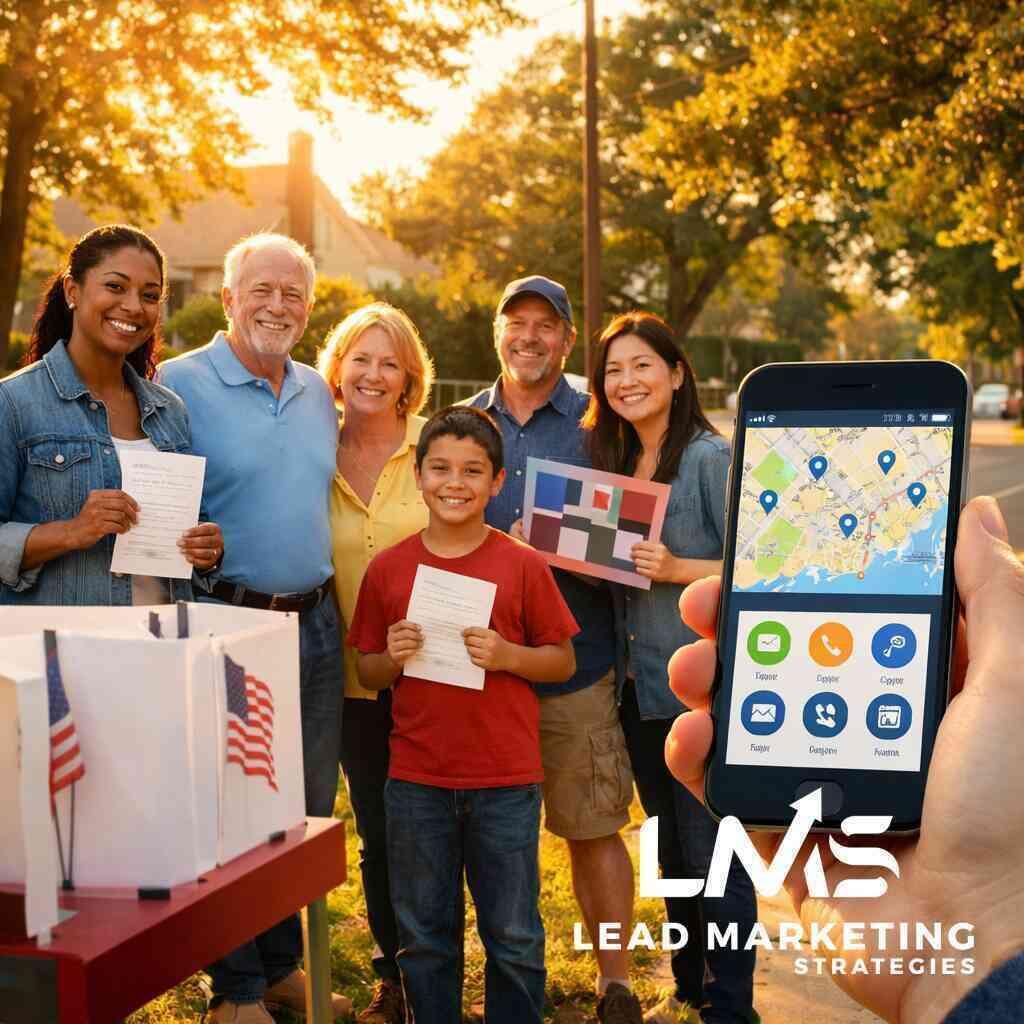
Conversion tracking also feeds back into campaign optimization. If a particular ad copy or landing page is driving high conversion rates, that success can be scaled across other segments. Conversely, underperforming elements can be identified and replaced quickly. Campaign digital marketing ROI measurement should be a continuous process, not a post-election analysis. Real-time dashboards allow campaign managers to shift budgets between channels dynamically. This agility is essential for maximizing impact within the constraints of campaign finance law and limited resources.
Political SEO Consulting and Paid Search Synergy for Maximum Visibility
The combination of SEO and paid search creates a dominant digital presence that captures voters at every stage of their journey. Political SEO consulting focuses on building organic authority that generates sustainable traffic over time. Paid search fills the gaps by capturing immediate intent-driven traffic before organic rankings are established. When a voter searches for a candidate’s name or a specific issue, they should see both a paid ad and an organic result from the campaign. This double presence reinforces credibility and increases the likelihood of a click.
Synergy between the two channels also enhances data collection. Insights from paid search keyword performance can inform SEO content strategy, and vice versa. Search engine optimization for political campaigns and PPC should be managed as integrated disciplines rather than separate functions. A unified keyword strategy ensures consistent messaging and maximizes the return on both investments. By dominating both paid and organic search results, campaigns create an impression of inevitability and widespread support that can sway undecided voters.
5) Political Email Automation and Fundraising Digital Funnels
Political Email Marketing Sequences for Donor and Volunteer Acquisition
Email remains one of the most effective channels for political fundraising and volunteer recruitment. Political email marketing sequences should begin with a compelling lead magnet that encourages sign-ups, such as an exclusive policy preview or invitation to a virtual event. Once a user subscribes, an automated welcome sequence establishes the relationship. The first email introduces the candidate and their vision, while subsequent messages deepen the connection by sharing stories, highlighting urgent needs, and making specific asks.
Segmentation within email lists allows for highly personalized communication. New subscribers might receive a different sequence than long-time supporters. Donors who have contributed at certain levels might be invited to exclusive briefings or events. Political email automation for GOTV in Commack can target specific geographic areas with localized messaging and event invitations. Automation ensures that no subscriber falls through the cracks and that every communication is timely and relevant. The result is a steady stream of engaged supporters ready to give time and money.
Political Email Automation Sequences for Voter Nurturing and GOTV
Voter nurturing through email automation is a multi-step process designed to move supporters from awareness to action. Political content marketing strategies inform the content of these sequences, providing valuable information that builds trust over time. An automated series might include candidate biographies, issue deep dives, endorsements from trusted community leaders, and stories from constituents impacted by the candidate’s work. Each email should include a clear, low-friction call to action, whether that is reading a blog post, watching a video, or sharing content with friends.
As election day approaches, the tone and frequency of emails should shift to reflect the urgency. GOTV sequences focus on practical information like polling locations, hours, and sample ballots. Political email automation for GOTV in Commack might include daily reminders in the final week, with increasingly insistent calls to vote. Automation tools can also trigger special messages based on voter behavior. If a supporter has not opened recent emails, a re-engagement sequence with a subject line emphasizing the stakes can bring them back. The combination of nurturing and urgency creates an effective voter turnout machine.
Fundraising Digital Funnels Integrated with Voter Data Integration Platforms
Fundraising digital funnels must be tightly integrated with voter data to maximize effectiveness. Voter data integration platforms allow campaigns to sync donor information with engagement data, creating a 360-degree view of each supporter. This integration enables sophisticated fundraising strategies like matching gift campaigns, where a major donor agrees to match contributions up to a certain amount. The platform can automatically trigger emails to supporters who are most likely to respond to such an offer.
The funnel itself should guide donors through increasingly large asks over time. A first-time donor might give twenty-five dollars, while a repeat supporter might be cultivated to contribute five hundred. Political fundraising marketing sequences should celebrate each contribution and demonstrate its impact. Sharing specific examples of how donations have been used, such as funding a new ad buy or hiring additional field staff, reinforces the value of giving. Integration with text messaging and social media creates a multi-channel approach that reaches donors wherever they are most comfortable engaging.
Political Fundraising Marketing via Automated Drip Campaigns
Automated drip campaigns for fundraising are designed to maintain consistent, value-driven communication with potential donors over extended periods. Political email marketing sequences might include a weekly newsletter that provides campaign updates, policy analysis, and behind-the-scenes glimpses. This regular contact keeps the campaign top of mind without overwhelming supporters with constant asks. The drip campaign should follow a predictable pattern of value delivery followed by strategic fundraising appeals.
Timing is critical in drip campaigns. Major fundraising pushes often coincide with FEC reporting deadlines, debates, or significant news events. Fundraising digital funnels integrated with voter data integration platforms can automatically adjust messaging based on real-world events. If a candidate wins a key endorsement or performs well in a debate, the drip campaign should immediately capitalize on that momentum with a targeted ask. Automation ensures that no opportunity for fundraising is missed, while maintaining the personal touch that makes supporters feel valued rather than exploited.
6) Digital Grassroots Mobilization and Community-Based PR
Grassroots Campaign Strategies Using Campaign Mobile App Voter Tools
Mobile apps have revolutionized grassroots campaigning by putting powerful organizing tools directly into supporters’ hands. Grassroots campaign strategies that leverage a dedicated campaign app can coordinate activities like door-knocking routes, phone banking shifts, and event attendance with unprecedented efficiency. Supporters can receive push notifications about urgent needs, log their volunteer hours, and earn badges or recognition for their contributions. This gamification element increases engagement and retention among volunteers.
The app also serves as a central hub for campaign information, including candidate bios, issue positions, and talking points. Volunteers can access training materials and scripts directly from their phones, ensuring consistent messaging across all interactions. Community outreach strategies benefit from the app’s geo-targeting capabilities, which can suggest volunteer opportunities based on a supporter’s location. The cumulative effect is a highly motivated, well-coordinated grassroots army that amplifies the candidate’s message throughout every precinct on Long Island.
Community Outreach Strategies Through Political Event Geo-Targeting
Geo-targeting technology enables campaigns to promote events with surgical precision, ensuring that invitations reach only the most relevant audiences. Political event promotion strategies might target registered independents within a ten-minute drive of a town hall meeting location. These targeted promotions reduce waste and increase attendance rates by reaching people who are both interested and able to participate. The same technology can be used to invite specific donor segments to exclusive fundraising receptions.
Beyond digital promotion, geo-targeting informs physical outreach strategies. Campaign volunteers can focus their door-knocking efforts on precincts where event attendance was high or where digital engagement signals interest. Community-based political PR in Suffolk County relies on this data to create localized media angles that resonate with specific neighborhoods. A town hall in Patchogue generates different news coverage than one in Port Washington, and geo-targeting ensures that the right reporters and influencers receive invitations. The result is a synchronized digital and physical outreach strategy that maximizes community engagement.
Political Influencer Partnership Models for Local Endorsements
Influencer partnerships have become a legitimate and powerful tool for political campaigns, particularly at the local level. Political influencer partnership for local endorsements involves identifying individuals within each community who have established trust and reach among key voter segments. These influencers might be popular local bloggers, religious leaders, small business owners, or even prominent social media personalities focused on Long Island topics. Their endorsements carry weight precisely because they come from trusted sources rather than distant campaign headquarters.
Partnership models range from simple endorsement deals to ongoing content collaborations. An influencer might host a candidate on their podcast, create a series of Instagram Stories featuring the candidate, or write a guest blog post about why they are supporting the campaign. Political PR services can help structure these partnerships to comply with campaign finance regulations while maximizing impact. The most successful influencer campaigns feel organic and authentic, not transactional. When a respected local figure genuinely endorses a candidate, their followers take notice and often follow suit.
Political PR Services for Hyperlocal Media and Neighborhood Engagement
Hyperlocal media outlets, including community newspapers, neighborhood blogs, and local radio stations, remain influential sources of information for Long Island voters. Political PR services focused on hyperlocal engagement ensure that campaigns receive positive coverage in these trusted channels. Press releases should be customized for each outlet, highlighting the local angle that matters most to their readers. A story about education policy might emphasize different aspects for a paper serving the Three Village area versus one serving Sachem.
Building relationships with hyperlocal journalists requires consistent, respectful communication. Campaigns should provide exclusive access to the candidate for interviews, behind-the-scenes looks at events, and early access to policy announcements. Community outreach strategies that include regular press conferences and media availability in different parts of the district demonstrate a commitment to transparency and accessibility. Positive hyperlocal coverage builds credibility that cannot be purchased through advertising, making it one of the most valuable assets a campaign can cultivate.
7) Candidate Website Conversion Optimization and Video Engagement
Candidate Website Design with Conversion-Focused Landing Pages
Your campaign website’s primary purpose is to convert visitors into supporters, volunteers, and donors. Candidate website conversion optimization requires landing pages that are laser-focused on a single action. Whether the goal is to collect email addresses, secure donations, or recruit volunteers, every element of the page should drive toward that objective. Distractions like navigation menus, sidebar widgets, or unrelated content should be minimized or eliminated on conversion pages.
The design must also build trust through strategic use of testimonials, endorsements, and social proof. Displaying real photos of supporters, quotes from community leaders, and logos of endorsing organizations signals that the candidate has broad backing. Candidate website design with conversion-focused landing pages should also include prominent placement of the candidate’s biography and platform, providing quick answers to voters’ primary questions. Every landing page should be tested and optimized based on user behavior data, continuously improving conversion rates over the course of the campaign.
Political Video Marketing and Campaign Video Engagement Metrics
Video content has become the most engaging format in political digital marketing, offering unparalleled opportunities for emotional connection. Political video marketing should include a mix of content types, from polished advertisements to raw, authentic clips of the candidate interacting with voters. Behind-the-scenes footage, quick takes on current events, and heartfelt personal stories all resonate with different segments of the electorate. The key is to produce video that feels human rather than produced, connecting on an emotional level that text alone cannot achieve.
Tracking video engagement metrics provides insights that inform content strategy. Completion rates, sharing behavior, and comments reveal which messages resonate most strongly. Campaign video engagement metrics should be analyzed alongside conversion data to understand which videos drive donations or volunteer sign-ups. A video that generates millions of views but few conversions is less valuable than a smaller-reaching video that inspires action. By focusing on engagement quality rather than vanity metrics, campaigns can allocate their video production resources for maximum impact.
Political Website Optimization for Mobile Voters and Rapid Load Times
Mobile optimization is no longer optional for political campaigns; it is essential. Political website optimization must prioritize fast loading times, responsive design, and thumb-friendly navigation. The majority of voters will first encounter your website on a mobile device, and a slow or clunky experience will drive them away instantly. Google’s Core Web Vitals metrics directly impact search rankings, meaning mobile performance also affects organic visibility.
Beyond speed, mobile optimization includes considerations like tap target sizes, readable font sizes, and simplified forms for donation or sign-up. Political website optimization for mobile voters and rapid load times also involves compressing images, leveraging browser caching, and minimizing JavaScript. Every millisecond of load time improvement translates to better user experience and higher conversion rates. A campaign website that loads instantly and looks beautiful on any device signals professionalism and competence, qualities that voters associate with effective leadership.
Political Message A/B Testing for Website Headlines and Calls to Action
A/B testing is a systematic approach to improving campaign messaging through empirical data rather than intuition. Political message A/B testing involves creating two versions of a headline, call to action, image, or landing page layout and measuring which performs better. Over time, these incremental improvements compound into significantly higher conversion rates. For example, changing a donation button from “Donate Now” to “Join Our Movement” might increase click-through rates by double digits.
Testing should be continuous throughout the campaign, with new variations introduced based on data insights. Political message crafting benefits enormously from this iterative approach, as small tweaks in language can dramatically change voter response. A/B testing also reduces risk by ensuring that major changes are validated before being implemented broadly. By making data-driven decisions about every element of their website, campaigns can optimize for maximum voter engagement and conversion from day one through election day.
Conclusion: Synthesizing the Seven Strategies for Victory
Building an Integrated Political Marketing Solutions Ecosystem
The seven strategies outlined above function most powerfully when integrated into a unified campaign ecosystem. Political marketing solutions should connect your website, social media, email, PPC, and grassroots efforts into a seamless operation where data flows freely between channels. A voter who signs up for your newsletter should immediately be added to your email automation sequence and targeted with relevant social media ads. A donor who contributes online should receive a personalized thank-you call from a volunteer. Integration eliminates wasted effort and ensures that every touchpoint reinforces the same compelling narrative.
The technology to build such an ecosystem exists and is more accessible than ever. Political campaign strategies on Long Island that embrace full integration consistently outperform fragmented approaches. The candidate’s message becomes omnipresent, appearing in every channel voters use, delivered at the moments they are most receptive. This consistent, coordinated presence builds the kind of familiarity and trust that wins elections. The key is not just having the tools but having the expertise to connect them into a coherent whole that tells a compelling story.
Measuring Success Through Electoral Analytics Dashboards and ROI
Victory in modern politics requires more than good instincts; it requires rigorous measurement and continuous optimization. Electoral analytics dashboards for campaign ROI should track every key performance indicator, from website traffic and email open rates to door-knocking contacts and early vote returns. These dashboards provide campaign leadership with real-time visibility into what is working and what needs adjustment. Decisions based on data consistently outperform those based on gut feelings alone.
ROI measurement should extend beyond financial metrics to include volunteer hours generated, voter contacts made, and turnout rates achieved. Campaign digital marketing ROI measurement allows campaigns to allocate resources with confidence, doubling down on strategies that deliver results and pivoting away from those that do not. The most successful campaigns treat measurement as a strategic function, not an administrative afterthought. By embedding analytics into every aspect of campaign operations, they achieve a level of efficiency and effectiveness that leaves opponents at a significant disadvantage.
Your Next Step: Partnering with Lead Marketing Strategies for Long Island Dominance
Implementing these seven strategies requires specialized expertise, proven technology, and dedicated execution. Lead Marketing Strategies has been a top political marketing consulting firm since 2007, helping candidates navigate the complex media landscape of Long Island and beyond. Our team brings deep experience in campaign management, communication technology, and digital strategy that can transform your campaign from competitive to dominant. From our office at 1139-7 Jericho Tpk. in Commack, we serve candidates across Nassau and Suffolk Counties, as well as all fifty states.
We invite you to explore how our political marketing services can elevate your campaign to its full potential. Our mobile app puts you in control of your projects, allowing seamless collaboration, real-time progress tracking, and direct communication with our team. Whether you need candidate web design, election social media marketing, or voter engagement strategies, we have the knowledge and resources to deliver results. Contact Lead Marketing Strategies today to schedule a consultation and take the first step toward Long Island political dominance. Your victory starts here.
Frequently Asked Questions
Question: How does Long Island political digital marketing differ from strategies used in other regions, and why should I invest in hyperlocal campaign SEO for my campaign?
Answer: Long Island’s political landscape is uniquely dense and diverse, with over 2.8 million registered voters spread across hundreds of distinct Nassau and Suffolk communities. Unlike national or even statewide efforts, winning here demands precision targeting at the neighborhood level. Hyperlocal campaign SEO ensures that your candidate appears in search results when a voter in Commack or Montauk specifically looks for local representation. Our political SEO consulting services specialize in optimizing for queries like town council candidates near me, capturing voters exactly when they are researching. This targeted approach dramatically increases engagement and trust, making your campaign a visible, credible resource for every precinct. With our deep experience since 2007, Lead Marketing Strategies provides the political marketing solutions that turn local visibility into electoral victory.
Question: The blog mentions Top 7 Long Island Political Digital Marketing Strategies. How can voter microtargeting for Long Island elections be implemented effectively with data-driven storytelling?
Answer: Voter microtargeting for Long Island elections leverages electoral analytics to segment audiences by issue, past voting behavior, and demographics. For example, a family in Levittown might prioritize property tax reform while a voter in Great Neck cares about education funding. Our political data-driven storytelling for Nassau County uses this data to craft personalized narrative campaigns that resonate emotionally. We integrate voter sentiment analysis with AI tools to test messages before launch, ensuring your brand connects authentically. This approach, combined with custom candidate website conversion optimization, transforms targeted data into a compelling story that moves voters from awareness to action. Our political brand development services ensure every message feels personal and credible, building the trust needed to win.
Question: What role does a campaign mobile app voter tool play in modern grassroots campaign strategies, and how can it enhance community outreach?
Answer: A campaign mobile app voter tool is a game-changer for grassroots campaign strategies. It empowers supporters with real-time updates, coordinated door-knocking routes, and instant volunteer sign-ups, all while using geo-targeting to suggest nearby opportunities. This streamlines community outreach strategies and keeps your team organized. Our mobile app for clients also includes features like live chat, project tracking, and progress bars, enabling seamless collaboration. Combined with campaign content personalization for local races, the app helps build a motivated, informed volunteer army that drives turnout. Political event geo-targeting within the app ensures that town halls and fundraisers are promoted to the right voters, maximizing attendance and impact. At Lead Marketing Strategies, we equip you with the tools and expertise to turn digital engagement into real-world momentum.
Question: How do you measure campaign digital marketing ROI for multi-channel voter outreach efforts like PPC and social media?
Answer: Measuring campaign digital marketing ROI requires comprehensive electoral analytics dashboards that track every conversion-from volunteer sign-ups and donation completions to event attendance. For election PPC advertising and social media campaigning, we use precise conversion attribution to understand which channels drive the most valuable actions. For example, a voter might first encounter your candidate through a Google search, then see a Facebook ad, and finally click a personalized email to donate. Our political marketing ROI measurement systems capture this journey, allowing us to optimize budget allocation in real time. We integrate voter data integration platforms to connect online behavior with offline outcomes, ensuring every dollar spent on political advertising strategies is justified. This data-driven approach, combined with political message A/B testing, continuously refines your campaigns for maximum efficiency and impact. With Lead Marketing Strategies, you gain clear, actionable insights into your campaign’s performance.
Question: Can you explain how political influencer partnership models work for local races, and why they are effective for community-based political PR?
Answer: Political influencer partnership models for local races identify trusted voices within specific Long Island communities-such as local bloggers, religious leaders, or small business owners-who have dedicated followings. These partnerships create community-based political PR that feels authentic rather than transactional. For example, an influencer might host a candidate on a podcast or share a series of Instagram Stories endorsing the campaign. Our political PR services structure these collaborations to comply with regulations while maximizing organic reach. This strategy is highly effective because voters are more likely to trust a recommendation from a respected neighbor than a paid ad. By integrating influencer partnerships with your broader election social media marketing tactics and political email automation sequences, we create a cohesive narrative that spreads naturally across the district. Lead Marketing Strategies helps you identify, secure, and activate the right influencers to amplify your message.
Question: How can political email automation sequences help with both fundraising digital funnels and Get Out The Vote (GOTV) efforts?
Answer: Political email automation sequences are essential for building relationships that drive both fundraising and turnout. For fundraising digital funnels, we design automated drip campaigns that deliver value first-sharing candidate stories, issue updates, and endorsements-before making strategic asks timed around key deadlines or events. Our political email marketing sequences segment donors by history and engagement, ensuring personalized appeals that increase conversion rates. For GOTV, automation allows you to send targeted reminders about polling locations, hours, and sample ballots, with increasing urgency as election day nears. Voter data integration platforms sync these efforts with other channels like SMS and social media, creating a unified voter engagement strategy. Our political message crafting ensures each email feels personal and actionable. With Lead Marketing Strategies, your political email marketing becomes a powerful engine for both revenue and turnout, maximizing your campaign’s resources and impact.
Content: [blog content as provided]”

The Political Marketing Strategies Team
Our team of marketing experts specializes in helping political campaigns grow their businesses through strategic digital marketing, SEO, and customer acquisition.
View all articles